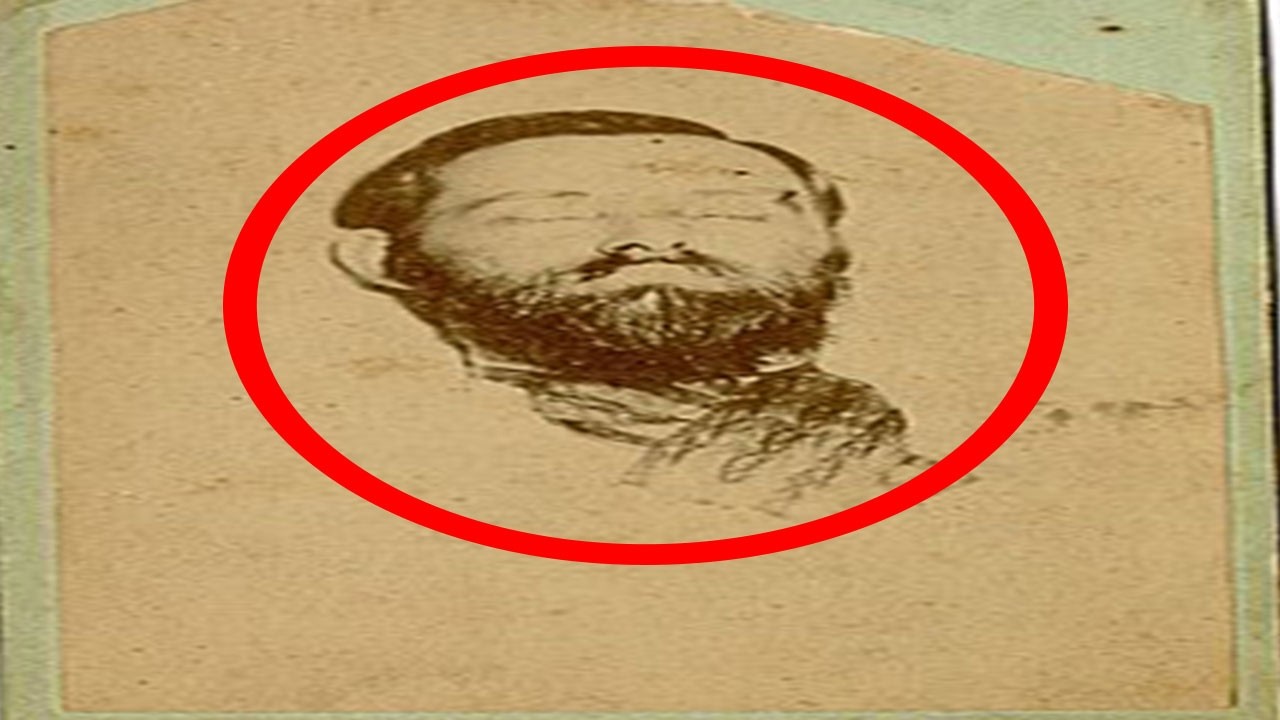
The man remembered as Doc Holliday, the sharp-tongued gambler and gunfighter who stood beside Wyatt Earp at the OK Corral, was hiding something more than a quick temper. Behind the frontier legend was a trained dentist whose health had already collapsed before he ever reached Tombstone. Medical records and historical documents show that Holliday did not drift West because he was chasing danger. He was running from tuberculosis, a disease that in the 1880s had no cure.

Doctors of the era believed that dry air, sunshine, and higher elevation might slow the illness, and that belief sent thousands of sick people, Holliday among them, toward the frontier. Holliday graduated from the Pennsylvania College of Dental Surgery in 1872, earning the title “Doc” through genuine professional training. He practiced dentistry in the South and later in Dallas, but a constant cough made the work nearly impossible. In a profession that required steady hands and close contact with patients, a man visibly wasting away could not build trust or keep a practice.
He turned to gambling, a risky but common source of income in frontier towns. The medical record suggests a simple but overlooked reversal: Holliday was not a dangerous gambler who happened to be sick. He was a sick dentist who became a gambler because his first career became unsustainable. His travels through Texas, Kansas, New Mexico, Arizona, and Colorado follow the logic of the “climate cure.
” Towns like Dodge City, Las Vegas, Tombstone, and Leadville were not just rough boomtowns. They were places where a consumptive man could search for income, dry air, and a new start. In the rugged world of saloons and card rooms, reputation was protection. Holliday was thin, physically worn, and visibly ill, which made a hard reputation more necessary, not less.
If people believed he was dangerous, they were less likely to test him. By 1881, when tensions rose in Tombstone between the Earps and a local outlaw group often called the Cowboys, Holliday was already years into his illness. On October 26 of that year, the Earps clashed with the Cowboys in a brief, confusing confrontation that later became known as the gunfight at the OK Corral. Holliday was on the Earp side.
Witnesses disagreed about the details afterward, and the event grew far larger in popular memory than it was in real time. For Holliday, the medical context is essential. The most famous moment of his life happened while he was living with a long-term lung disease. He was not the strong, untouched cowboy type of later Westerns.
He was a failing dentist standing in a conflict that mixed law, personal grudges, and frontier disorder. After Tombstone, Holliday’s health continued to decline. He eventually reached Glenwood Springs, Colorado, known for its hot springs and mineral vapor caves, which people at the time believed could help chronic illness. The belief has to be treated carefully with modern eyes; tuberculosis requires real medical treatment that did not exist then.
The obituary published after his death gives the clearest documentary evidence. It reported that Holliday died in Glenwood Springs on November 8, 1887, around 10:00 in the morning, from consumption. He was only 36, but physically aged by the disease. In his final 57 days, he had been out of bed only twice.
He did not die in a frontier showdown. He died in bed in a hotel, from a disease that had shaped most of his adult life. Some reports suggest the sulfur vapors around the springs may have irritated his weak lungs instead of helping them. Reports from the period say he was buried the same day in Linwood Cemetery with townspeople present, although the exact location of his remains is still treated as uncertain.
Holliday’s case reveals something larger about the Old West. It was not only a stage for outlaws, lawmen, and mining camps. It was also a medical destination. Towns in Colorado and other Western areas were shaped partly by sick migrants who arrived hoping the climate would give them more time.
Hotels, boarding houses, physicians, and hot springs became part of the frontier world. Illness was inside the Old West, not separate from it. The real reveal in his medical trail is not a hidden autopsy or a secret cure. It is how much of his famous life was shaped by a diagnosis he received while still trying to become a respectable dentist.
Tuberculosis pushed him West, weakened his professional future, made stable work harder, and placed him in boom towns where card rooms became his only way to survive. His story is not clean. He was educated but lived roughly. He had professional training but became known for gambling.
He stood beside lawmen but was never simply a lawman. He became famous through violence, but his longest enemy was disease. The medical facts do not erase the legend; they explain why the legend took the shape it did.
Behind the famous name was a young man with a failing body, limited options, and a future that kept shrinking.