

LONDON — Five centuries after two small boys disappeared within the walls of the Tower of London, the enduring mystery of the Princes in the Tower has taken a new and startling turn. A deepening investigation into the fate of King Edward V and his younger brother, Richard of Shrewsbury, has unearthed a complex web of conspiracy that not only implicates the most infamous monarch in English history, but also reveals a shadowy aftermath where desperate men attempted to repaint the past, putting forward wildly ambitious pretenders who claimed to be the lost boys. This comes as a historic project has put forth a radical new claim that one of the deposed princes may not have been murdered at all, but was instead spirited away to live a quiet life in obscurity in a rural English village.
The grim story that has haunted historians for centuries centers on the sudden death of King Edward IV on April 9, 1483. His untimely demise plunged the nation into utter chaos, leaving a fragile dynasty in the hands of a twelve-year-old boy. The crown of England, so recently plucked from the fires of the Wars of the Roses by the Yorkist dynasty, rested on the shoulders of the boy king, Edward V.
 His youth and inexperience necessitated a regent, a position designated by the late king to his loyal brother, a man whose name itself has nearly become a byword for villainy: Richard, Duke of Gloucester.
The boy king immediately walked into a political storm. His mother, Elizabeth Woodville, understood with chilling clarity that whoever controlled her son controlled the throne itself. She had sent her brother, Anthony Woodville, the Earl Rivers, and her son Richard Grey, to bring the young Edward from Ludlow Castle to London to solidify their family’s power before the regency of Richard of Gloucester could be enforced.
But Richard, the new Lord Protector, had heard word of the maneuvering. He intercepted the royal convoy at Stony Stratford, and in a single, swift stroke of political mastery, he arrested the boy’s uncles and assumed control of the young king. The Woodvilles, whom Gloucester and the northern nobility had always despised, were soon dispatched to their deaths.
Edward V was installed in the royal apartments of the Tower of London, awaiting coronation. At the time, the Tower was not a prison. It was a royal residence, the city’s fortress, and the natural place for a monarch to prepare for his crowning.
Yet, as his uncle moved him to the tower, the ceremonies kept being postponed, and the young king’s world grew tighter.
The throne of England was formally claimed on the 22nd of June when a shocking sermon was given, declaring Edward V and his younger brother, Richard of Shrewsbury, illegitimate before God. This, the crown later declared, was due to a secret betrothal Edward IV had made to another woman, a lady named Eleanor Butler, before his marriage to Elizabeth Woodville. This retrospectively made the royal marriage invalid, hence the children were bastards.
The Duke of Buckingham subsequently presented Parliament with a choice, and Richard of Gloucester, expediently, was offered the crown. By the 6th of July 1483, he was crowned Richard III of England.
 The boys were seen playing in the gardens of the Tower until early autumn, but they then vanished from the record. Around the 16th of June, Richard of Shrewsbury had been escorted from Westminster Abbey, where his mother had been in sanctuary, to the Tower to keep his brother, Edward, company. This was the last time their mother, Elizabeth Woodville, saw either of her sons, sons from her second marriage.
The Italian friar Dominic Mancini, who recorded her penance during the summer of the accurate, reported that the boys, spending their endless days in the Tower, were kept solely under the control of Sir Robert Brackenbury, but they were overseen by Richard III’s own favor. A failed rescue effort, an internal challenge, was made in July. The kidnapper’s murder wounds were all blocked.
Then, after September, the brothers were never seen again.
World history has indicted the boys’s murder, broadly pointing the finger at their own uncle, Richard III. For years, the accepted chronology narrated that he had ordered the boys throttled to remove any threat to his own throne, and then had their remains, and then had their remains hidden behind a staircase in the Tower, leading to their mysterious discovery in 1674.
However, as our new research, pieced together from the rising tide of skepticism, shows, when Richard III fell at the Battle of Bosworth in 1485, the same year his newly medieval chronicler, his body was thrown into a shallow grave, upon awaiting Henry VII’s ascension to the crown, the search of the Tower turned up empty. This did not stop the mystery or the public silence that surrounded both monarchs concerning the boys. It has been well reported that Henry VII blamed Richard, but crucially, he was hardly the only one with motive.
His foe, the Duke of Buckingham, had slipped from the scene earlier, and Henry’s mother, Lady Margaret Beaufort, the sometime conspirator and regal kingmaker, had her own ambitions. All have stood under the courtroom’s glaring public opinion.
 And contrary to the long-held belief that they were simply the latest victims of the Wars of the Roses, a new theory has caught the attention of the British tabloid press. The Missing Princes Project, a research group fundamentally challenging the accepted narrative, suggests that Richard himself might have been politically and not stupid enough to simply craft the crime to make the children disappear. This new puzzle takes into account the political posturing of the Duke of Buckingham, who had been Richard’s go-to man in the north.
A grand council had been pegged with allegations that the young boys might have been accidentally killed during a violent rescue attempt, which was financed by the queen’s own mother.
The investigation points to a bizarre carve concerning a man named John Evans, who “appeared” in 1484 in the Devonian village of Coldridge. This Evans, a man of substantial wealth, was given an immediate appointment as Lord of the Manor, and he commissioned elaborate stained glass windows depicting Yorkist symbols and portraits of Edward V, around 1511, decades after the alleged murder. This was beyond unusual of a local commoner.
The project suggests that this John Evans might well have been the very same Edward V, who was secretly married off the block by loyalist nobles in a last-ditch reprisal against Richard III, hiding him from the machinations of power, but also ensuring that this new rebellion would be handled without his fingerprints.
This latest leap is within a thick discourse that argues the boys may not have perished, but might be better seen as real, but the norm still remains that they were either murdered or likely died in the tower from disease or starvation. The doctor who attended them, John Argentine, is said to have reported that Edward “sought remission of his sins by daily confession and penance because he believed that death was facing him.” All signs point to a tragic end.
Yet, the stories of those who pretended to be the boys have kept the mystery alive. The scandalous question of what happened has been twisted into a wave of dangerous pretenders that seized the English throne, the most famous of whom was Lambert Simnel. Simnel, a young boy possibly a carpenter’s son, began claiming to be the Plantagenet name of Edward, Earl of Warwick, the last surviving male of the House of York’s, who had been quietly locked in the Tower by the youthful Henry VII.
 The church rallied around Simnel, giving him a formal education in courtly manners, and he was crowned in Dublin, making claim he was Edward V. The rebellion was doomed from the start, culminating in the Battle of Stoke Field in 1487, the last and bloodiest engagement of the Wars. Simnel was captured and, in a stroke of mercy, was pardoned by his king and put to work turning spits in the royal kitchen.
Many historians, however, believe this was not a real story of redemption, but the sponsorship of a boy to be degenerate.
Later, another far more dangerous and convincing threat emerged in Perkin Warbeck, a man who claimed to be the younger of the two princes, Richard of Shrewsbury. His mystery, with the support of Margaret, Duchess of Burgundy, and the courts of France and Scotland, shook the foundations of Henry VII’s reign. Warbeck was tall, handsome, and debonair, purportedly the exact look of the Plantagenet family.
He wore the royal silks of York, and he tricked a continent. He led an army of near-worthy Cornishmen, but was captured after a futile siege, and finally, under penalty of death, confessed in writing that he was a fraud. He admitted, he was the son of a boatman from Tournai, and he had been passed around.
The-tale still doesn’t settle it. He was ultimately executed after a stirring escape attempt, that had led him into the arms of the real Edward, Earl of Warwick, whom he was placed with.
The mystery after five centuries remains trenchant. The hysteria, the cyclical arguments, and the power plays of the 15th century, still gives cover to the ongoing debates concerning whether any of those boys even survived that summer of 1483. Regardless, their fate is still the corner urban mystery.
The entire world is still waiting for a definitive answer from forensic DNA analysis. The known—evidence is unsound, but the hunt, the desperate grab for the truth, is as one with the struggle for the crown itself. In the Halls of Westminster, a cold air of silence persists over the truth of what really happened to the two princes.
Whether it was the murderous hand of an uncle, the calculated blow of a rival, or a supreme conspiracy, this latest case is likely to rewrite the histories, or to at least cast a dramatic shadow of doubt over the face of a king. Until done, the boys are still lost, awaiting the anchor of truth.
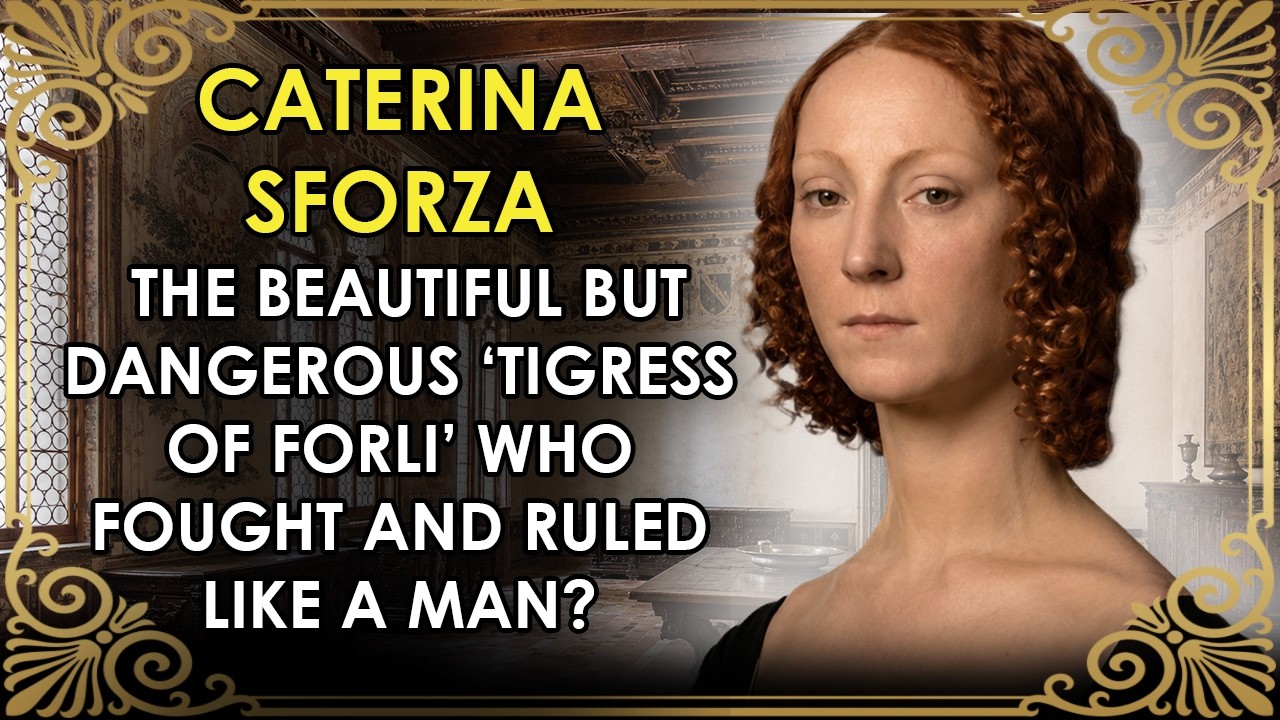
 Witnesses describe Sforza parading the ramparts in a black velvet hat and a man’s belt, her fury palpable as she doubled her garrison against even her husband’s negotiated settlement of 8,000 ducats. The Electors, terrified, have refused to even bury the dead Pope until the pregnant noblewoman is physically removed.
 This is a crisis of succession without precedent. The mob’s violence, the dead Pope’s distrusted nephew—these are details. The larger catastrophe is that a single, armored, seven-months-pregnant woman has commandeered the theological heart of Christendom and is now publicly playing the game of kings, facing down her own husband’s ambassadors, and dictating terms of succession to the very men who hold the keys to St.
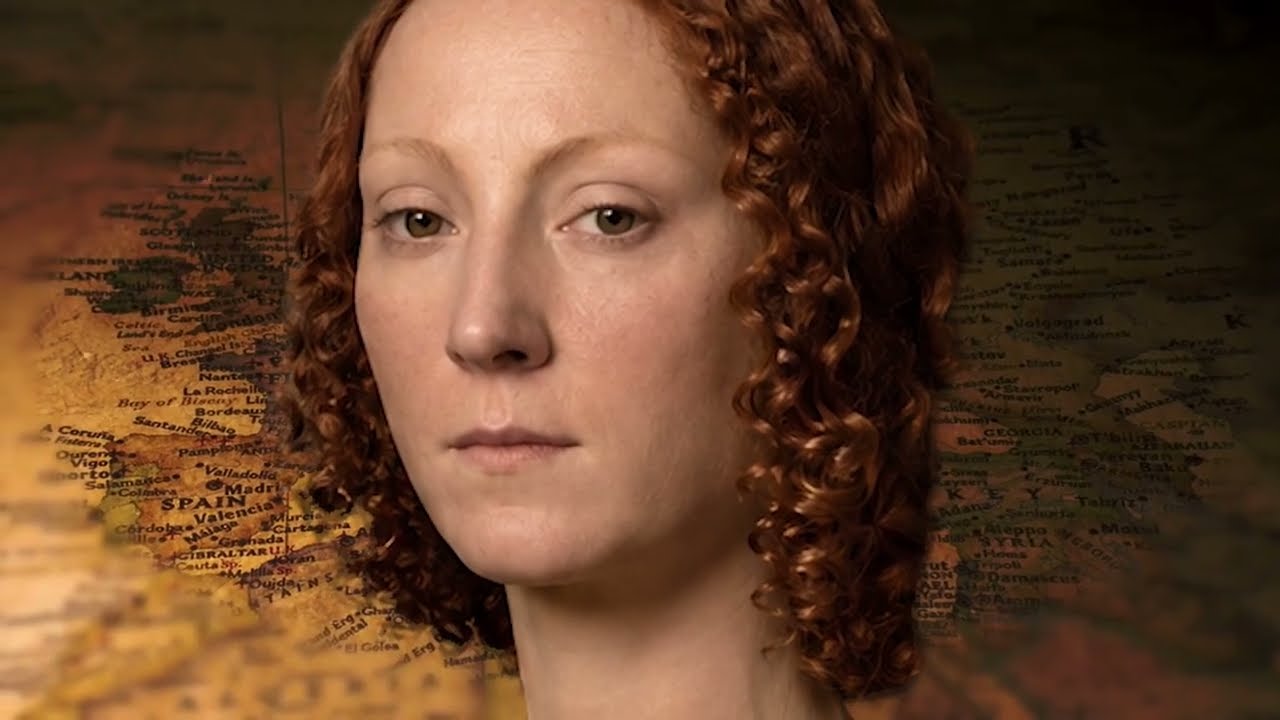 The Praetorian Guard has sealed the Vatican. The locked rooms, though, throttle with echoes that they are facing a woman— her daughters, a wife, a child-bearer— who has outflanked them all.
 Update: The storm is over. After morning of last night’s mass, in an emotional bitters surrenders, consent to go along with a safe-conduct that her children, her future, and her castellant remain unharmed. They have given her the means to her relief, the signature to confirm Riario’s lordships.