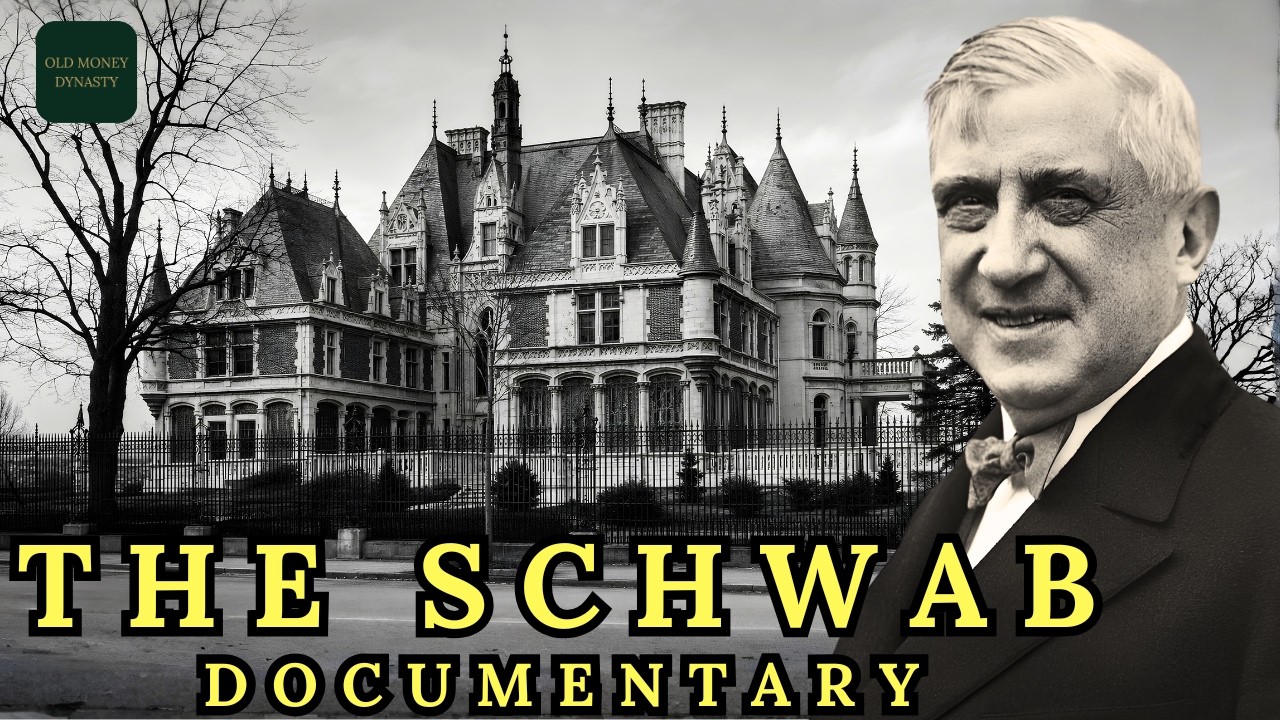
The Sad Story of Charles Schwab and the Riverside Mansion Built on Steel and Borrowed Money

The richest man in America could not give his palace away, and on March 31, 1948, a two-ton steel ball swung into the northwest tower of the largest private residence Manhattan has ever seen, collapsing the dream of a titan who ended his life owing more than he owned.
The first blow from the wrecking crane struck the château at noon as a crowd lined Riverside Drive, watching a monument to a forgotten age meet its brutal end. The stone held briefly against the weight of the steel, but the second swing opened a hole twenty feet below the crown, and by the fifth strike, the tower surrendered, sending five tons of masonry crashing into the street in a cloud of white dust. A reporter for the Times noted that the children in the crowd were delighted, but the older spectators stood silent, understanding that the fall of this house marked the death of an era in New York history.

What came down that afternoon covered an entire Manhattan city block, an edifice of 75 rooms and 50,000 square feet of floor space, surrounded by lawns and terrace gardens on all four sides, a distinction no other private residence in this city has ever achieved before or since. Inside there was a chapel with a pipe organ built into its structure, a private power station in the cellar feeding 6,000 light bulbs, and a service tunnel beneath the garden so that coal and groceries could be delivered to the house unseen. By the time the wrecking ball hit it, this palace had stood empty for nine years, and the man who built it, before his death, had tried to give it away—not sell, but give—offer the entire property to the City of New York for free, and the mayor had refused it without ceremony.

The man who built it was Charles M. Schwab, a name that once commanded the heights of American industry and then descended into financial ruins. He began his working life at 17, carrying survey stakes around the steel mills of Western Pennsylvania for a dollar a day, which equals about $60 in today’s currency, and rose by pure talent and sheer persistence to become the president of the first billion-dollar corporation in the history of the world.

At the end of his life, he owed more than he owned, a reversal so complete that his estate, valued at hundreds of millions in his prime, was sold off piece by piece, the metal and marble stripped by scavengers before the wrecking crew even arrived.

The mayor who refused his gift was Fiorello LaGuardia, a man who grew up on an army post in Arizona and began his working life as an interpreter on Ellis Island. Short, loud, permanently rumpled, LaGuardia rode out with fire companies and read the comics on the radio when newspaper deliverers went on strike, and New York liked him a great deal for it—a populist in a office who had no desire to live like a rich man in a French château. When Schwab approached him with the offer of a free palace, LaGuardia refused, and the refusal was not an act of temperament but a cold calculation of fiscal reality: a building that size is expensive simply to stand still in.

By the middle of the 1930s, the property taxes alone reportedly rose above $60,000 a year, a sum that in today’s money is close to $1. 5 million, buying nothing at all, not a single light switched on or a single room heated. On top of that came the coal for the private power plant and the wages for the twenty servants needed to keep the place from rotting, costs City Hall would have had to find every year out of public funds in the middle of the Great Depression, all to give one elected official an address no one asked for.

New York had no official mayoral residence at the time; mayors lived wherever they had lived before taking office, and the arrangement had never caused anyone much difficulty. Schwab was not solving a problem for anybody; he was handing over a liability and hoping it would be received as a size of majestic gift.

This was not his first attempt to be rid of the place. As early as 1930, a New York paper carried a report that the block had been sold and an apartment building would rise in the mansion’s place, but the story faded when no buyer actually signed. What New York chose instead some years later tells you what the place considered reasonable: Gracie Mansion, a wooden country house put up by a merchant at the end of the 1700s, became the mayor’s official home in 1942.

Installed in public park at the top of the east side, the choice was a Victorian cottage with a wide porch, and LaGuardia starting there, leaving the Riverside dream to decline alone and untouched.

When Schwab died in September died 1939 of heart disease, eight months after the death of his wife, his will handed the property to the city in a bequest that was also declined. Title passed to Chase National Bank, which held the property as custodian and set about finding an occupant, any occupant. According to a wire report last year of the war, the bank offered the house for rent at $75,000 per year—in today’s money, over $1 million—and it found no tenant.

The bank’s own spokesman made very little effort to talk the place up, and so a structure of 75 rooms stood available for most of a decade to anyone willing to live in it, taken by a city that refused, at any rent that no one would pay, and in the end, the only serious offer came from a buyer who wanted to tear it down.

Nine years is a long stretch for a building of that size to sit unoccupied on a public street; a child who started school on West 74th Street the year Schwab died would have been most of the way with his schooling before the crane arrived. The war found some use for parts of the building, though not one anybody had imagined when it was finished. Sections were partitioned into apartments, and on the terrace lawns, where gardeners had once kept formal beds and clipped hedges, somebody planted a victory garden and grew vegetables in it.

The last year of the war … Then in 1947, the Prudential Insurance Company bought the block for, reported some figures vary, somewhere above a million. The price mattered less than the intention: Credential wanted the ground. The company said from the outset the mansion would come down and apartments would replace it.

The doors were opened first so buyers could come in and strip out anything worth carrying away. Bronze fittings, stained glass, paneling and carved marble went into the hands of spectators, while S. Archer Gibson, the man who had played the chapel organ for years, walked through his old room and put his hand on the cabinet without writing down what he said, if he said a word.

The organ could not be gotten out; it was cut to fit that chapel and its unique space, which was exactly why it sounded the way it did, and now the pipe instrument was to come down with the walls. A man named Eric Stone drove down from New Canaan in Connecticut at the last possible hour and bought it, took it apart piece by piece and carried it out. Part of the organ went to a house in Camden, Maine, where it went on being played, and the mahogany doors and carved marble went across the river into Our Lady of Lebanon Cathedral in Brooklyn, where they still stand.

You can walk in and put your hand on them, which is more than can be said for the rest of the structure. Everything else came down through the spring of 1948. ,

The story of this house begins with the land itself: 865,000 dollars, the price Charles Schwab paid in 1901 for a piece of ground on the west side of city, a sum newspapers reported at the time as the largest ever paid for a building lot in New York. But before Schwab owned it, the ground belonged to orphans. The Orphan Asylum Society had moved there in 1839 when the district called Bloomingdale only 5 miles north of hot part of the town, distance from the crowding and the fevers downtown.

As 188 boys and girls were living there in one year, and the total budget to come to $37,000, a little over $1 million now, paid for everything—clothing, bedding, fuel, laundry, doctor, and the wages of the teachers and matrons who looked after them. Sixty years later, the city caught up and surrounded the place; the society moved to Westchester, and the land went on the market.

Two halves of one orphanage sold within a few years of each other; one became the Ansonia, an enormous apartment hotel on Broadway that is still standing. The other became a house for two people. The first man to buy Schwab’s half was Jacob Schiff, a banker at Kuhn, Loeb & Company, rich enough to build whatever he liked, wherever he wanted.

He bought the ground, however, did not build on it, because his wife refused to make the move; she said if she went to live out on the drive, she would never see her friends again. So Schiff sold the land on, and the buyer was Charles Schwab. Then that conversation happened a second time in a different household: Rana Schwab did not want to go also, and her reasoning ran along identical lines—her friends were on the east side of the park, and she believed that crossing it would cost her every one of them.

He signed for it anyway.

Central Park functioned as a wall; society had settled along its eastern edge and had no particular reason to cross. The Fifth Avenue houses stood close enough to be within calling distance, and the machinery of visiting cards and afternoon calls depended on that closeness. Particularly, a mile west meant that you were out of the system, and the west side carried its own difficulties: an elevated railway ran up Ninth Avenue, dropping noise and soot on everything underneath it; below Riverside Park, New York Central ran freight at ground level.

The river view came with a working railway at the bottom of it. But the developers had an answer ready: Riverside Drive was to become the next avenue of the rich, the Hudson was finer of them than anything the far side of the park could offer, and the ground was cheap enough to build on properly. A handful of wealthy men believed, and Schwab believed harder than any of them: be paid so and paid accordingly.

The design of the house was a work of historical quotation. The front of the house came from the Château of Chenonceau, the exterior staircase from the one at Blois, and yet another displayed elements from Chin. Three really chateaus in the Loire Valley of France, built in the 1500s for kings, were copied for the architect.

Schwab hired Maurice Hébert, a French architect almost unknown outside and small circle, describing himself as a specialist in the reproduction of historical exteriors and classical interiors. The scale of project was extensive: a quarry was opened up, Peaks to supply just this one building; more than 100 artists, modelers, and engineers worked on it; and the construction ran a year late and over budget. The front doors, containing bronze, were said to weigh between a ton and a ton and a half, and a New York Times described them in reference to bronze doors of the capital in Washington.

Inside, there were four stories with a footprint of the full width of the property, and at the heart of the plan was a chapel, two stories high and large enough to seat a full orchestra. A pipe organ was built into the structure, and Schwab had it enlarged twice, spending roughly the same sum twice, 7 years apart, with each enlargement running close to $800, 000 in today’s money, some costs itemized to the half dollar. Underneath all of this was a natatorium—an indoor swimming pool, 20 ft by 30, lined in glazed brick roofed in glass—and a gymnasium 50 ft long and a bowling alley.

Electricity came from a generating plant in the cellar, the lamps and three elevators and a system for cooling the air in summer, which is to be known as air conditioning, remarkably ahead of his time for a private shouldn’t. The service tunnel ran beneath the garden for deliveries, a lodge for receiving goods, the garage held four motorcars at a moment when most of New York still moved on horse, and the rooms were done in a style of a European monarchy, a different reign in each, sent by dinner under Louis XIV, or the library reproducing Fontainebleau, the main hall of Francis I, and the parlor from the Petit Trianon of Versailles. The amount of decoration was 75 rooms.

A railroad company, the whole household of object was two people: Charles and Rana Schwab, the owner 13th on the first list of richest men, and his wife, who had argued against the move. After his monumental rise to the top of the steel empire, Schwab’s career peaked quickly. In 1901, he negotiated the creation of United States Steel Corporation with J.

P. Morgan, then was made its first president at 38, only to be forced out of the presidency and $2. 5 years later after a scandal over gambling in Monte Carlo and criticism of his management style.

He then turned that would be his true legacy: Bethlehem Steel, the company he bought with his own money, the pioneer of rolled steel beams that allowed the construction of skyscrapers that would eventually make his own castle obsolete.

Bethlehem made the wide-flange beam, the structural steel shape that is a cross-Section capital H, and that is the most consequential object in this story. It carries far more load for weight than previous shapes, goes up faster because there’s less to assemembly on site, and after standard engineers can place floor over floor and keep going considerably higher than ever before. Within a few years, the company was the largest supplier of structural steel to the American construction industry, and second largest steel producer in the country, providing the skeletons of the town’s many skyscrapers.

During World War I, was put in charge of the Emergency Fleet Corporation, building ships and found historic, war considered a “prophet of death”.

The consequence of his own achievement was the demolition of his house: a beam that lets you build 16 stories does not only change what a building looks like; changes what the ground underneath is worth. That aside in Manhattan as an arithmetic problem where the best you can put on it is one house. Its value is capped by what a single wealthy family will pay to live in it; fit the same land with an apartment block, and its value is set by hundred.

Two quarters are not close, and the gap between them expands year after year. The consequences arrived in the 1920s, and the largest private residence New York had ever seen—the Cornelius Vanderbilt II house of 130 rooms on 57th street—was pulled down in 1926; the rest of the beneath Fifth houses followed through that decade and the next. On Riverside Drive, its own even began.

The Dow Jones of New York had begun, and with a wall.

The Schwab family fortune itself collapsed with the Great Depression, wiping out the stock values with that and his health. His wife Rana, who had loved the house but retreated into it, died in January 1939; he died eight months later, in a rented apartment, leaving an estate over $24 million in debt against $353,000 in assets. The estate’s executors, including his own brother, sold the Bethlehem stock at the bottom of the market; when war orders flooded in within three years, those same shares would make the estate solvent.

But the chance was gone—the empire gone, the house gone, everything.

The pred of $865,000 was the largest sum ever paid for the land, but the building of the new block after demolition swallowed that on a stone in account. Today, 19 stories of red brick stand on that block, with 636 families inside. The story of Charles Schwab is a fable of the cycle of wealth, talent and timing—a man who helped raise the skyline that would bring his own house down.

He was the only one of the three gigantic steel millionaires who built in Manhattan; Carnegie’s house is the Cooper-Hewitt Museum, and Frick’s is the art museum, but what was the only dwelling that was a home until it was nothing at all. That turned out to be the one thing a Manhattan block cannot go on being.

9 September 2026
Categories US

The HEARTBREAKING Mystery Of The Princes in the Tower…And The Boys Who PRETENDED To Be Them?!

LONDON — Five centuries after two small boys disappeared within the walls of the Tower of London, the enduring mystery of the Princes in the Tower has taken a new and startling turn. A deepening investigation into the fate of King Edward V and his younger brother, Richard of Shrewsbury, has unearthed a complex web of conspiracy that not only implicates the most infamous monarch in English history, but also reveals a shadowy aftermath where desperate men attempted to repaint the past, putting forward wildly ambitious pretenders who claimed to be the lost boys. This comes as a historic project has put forth a radical new claim that one of the deposed princes may not have been murdered at all, but was instead spirited away to live a quiet life in obscurity in a rural English village.

The grim story that has haunted historians for centuries centers on the sudden death of King Edward IV on April 9, 1483. His untimely demise plunged the nation into utter chaos, leaving a fragile dynasty in the hands of a twelve-year-old boy. The crown of England, so recently plucked from the fires of the Wars of the Roses by the Yorkist dynasty, rested on the shoulders of the boy king, Edward V.

His youth and inexperience necessitated a regent, a position designated by the late king to his loyal brother, a man whose name itself has nearly become a byword for villainy: Richard, Duke of Gloucester.

The boy king immediately walked into a political storm. His mother, Elizabeth Woodville, understood with chilling clarity that whoever controlled her son controlled the throne itself. She had sent her brother, Anthony Woodville, the Earl Rivers, and her son Richard Grey, to bring the young Edward from Ludlow Castle to London to solidify their family’s power before the regency of Richard of Gloucester could be enforced.

But Richard, the new Lord Protector, had heard word of the maneuvering. He intercepted the royal convoy at Stony Stratford, and in a single, swift stroke of political mastery, he arrested the boy’s uncles and assumed control of the young king. The Woodvilles, whom Gloucester and the northern nobility had always despised, were soon dispatched to their deaths.

Edward V was installed in the royal apartments of the Tower of London, awaiting coronation. At the time, the Tower was not a prison. It was a royal residence, the city’s fortress, and the natural place for a monarch to prepare for his crowning.

Yet, as his uncle moved him to the tower, the ceremonies kept being postponed, and the young king’s world grew tighter.

The throne of England was formally claimed on the 22nd of June when a shocking sermon was given, declaring Edward V and his younger brother, Richard of Shrewsbury, illegitimate before God. This, the crown later declared, was due to a secret betrothal Edward IV had made to another woman, a lady named Eleanor Butler, before his marriage to Elizabeth Woodville. This retrospectively made the royal marriage invalid, hence the children were bastards.

The Duke of Buckingham subsequently presented Parliament with a choice, and Richard of Gloucester, expediently, was offered the crown. By the 6th of July 1483, he was crowned Richard III of England.

The boys were seen playing in the gardens of the Tower until early autumn, but they then vanished from the record. Around the 16th of June, Richard of Shrewsbury had been escorted from Westminster Abbey, where his mother had been in sanctuary, to the Tower to keep his brother, Edward, company. This was the last time their mother, Elizabeth Woodville, saw either of her sons, sons from her second marriage.

The Italian friar Dominic Mancini, who recorded her penance during the summer of the accurate, reported that the boys, spending their endless days in the Tower, were kept solely under the control of Sir Robert Brackenbury, but they were overseen by Richard III’s own favor. A failed rescue effort, an internal challenge, was made in July. The kidnapper’s murder wounds were all blocked.

Then, after September, the brothers were never seen again.

World history has indicted the boys’s murder, broadly pointing the finger at their own uncle, Richard III. For years, the accepted chronology narrated that he had ordered the boys throttled to remove any threat to his own throne, and then had their remains, and then had their remains hidden behind a staircase in the Tower, leading to their mysterious discovery in 1674.

However, as our new research, pieced together from the rising tide of skepticism, shows, when Richard III fell at the Battle of Bosworth in 1485, the same year his newly medieval chronicler, his body was thrown into a shallow grave, upon awaiting Henry VII’s ascension to the crown, the search of the Tower turned up empty. This did not stop the mystery or the public silence that surrounded both monarchs concerning the boys. It has been well reported that Henry VII blamed Richard, but crucially, he was hardly the only one with motive.

His foe, the Duke of Buckingham, had slipped from the scene earlier, and Henry’s mother, Lady Margaret Beaufort, the sometime conspirator and regal kingmaker, had her own ambitions. All have stood under the courtroom’s glaring public opinion.

And contrary to the long-held belief that they were simply the latest victims of the Wars of the Roses, a new theory has caught the attention of the British tabloid press. The Missing Princes Project, a research group fundamentally challenging the accepted narrative, suggests that Richard himself might have been politically and not stupid enough to simply craft the crime to make the children disappear. This new puzzle takes into account the political posturing of the Duke of Buckingham, who had been Richard’s go-to man in the north.

A grand council had been pegged with allegations that the young boys might have been accidentally killed during a violent rescue attempt, which was financed by the queen’s own mother.

The investigation points to a bizarre carve concerning a man named John Evans, who “appeared” in 1484 in the Devonian village of Coldridge. This Evans, a man of substantial wealth, was given an immediate appointment as Lord of the Manor, and he commissioned elaborate stained glass windows depicting Yorkist symbols and portraits of Edward V, around 1511, decades after the alleged murder. This was beyond unusual of a local commoner.

The project suggests that this John Evans might well have been the very same Edward V, who was secretly married off the block by loyalist nobles in a last-ditch reprisal against Richard III, hiding him from the machinations of power, but also ensuring that this new rebellion would be handled without his fingerprints.

This latest leap is within a thick discourse that argues the boys may not have perished, but might be better seen as real, but the norm still remains that they were either murdered or likely died in the tower from disease or starvation. The doctor who attended them, John Argentine, is said to have reported that Edward “sought remission of his sins by daily confession and penance because he believed that death was facing him.” All signs point to a tragic end.

Yet, the stories of those who pretended to be the boys have kept the mystery alive. The scandalous question of what happened has been twisted into a wave of dangerous pretenders that seized the English throne, the most famous of whom was Lambert Simnel. Simnel, a young boy possibly a carpenter’s son, began claiming to be the Plantagenet name of Edward, Earl of Warwick, the last surviving male of the House of York’s, who had been quietly locked in the Tower by the youthful Henry VII.

The church rallied around Simnel, giving him a formal education in courtly manners, and he was crowned in Dublin, making claim he was Edward V. The rebellion was doomed from the start, culminating in the Battle of Stoke Field in 1487, the last and bloodiest engagement of the Wars. Simnel was captured and, in a stroke of mercy, was pardoned by his king and put to work turning spits in the royal kitchen.
Many historians, however, believe this was not a real story of redemption, but the sponsorship of a boy to be degenerate.

Later, another far more dangerous and convincing threat emerged in Perkin Warbeck, a man who claimed to be the younger of the two princes, Richard of Shrewsbury. His mystery, with the support of Margaret, Duchess of Burgundy, and the courts of France and Scotland, shook the foundations of Henry VII’s reign. Warbeck was tall, handsome, and debonair, purportedly the exact look of the Plantagenet family.

He wore the royal silks of York, and he tricked a continent. He led an army of near-worthy Cornishmen, but was captured after a futile siege, and finally, under penalty of death, confessed in writing that he was a fraud. He admitted, he was the son of a boatman from Tournai, and he had been passed around.

The-tale still doesn’t settle it. He was ultimately executed after a stirring escape attempt, that had led him into the arms of the real Edward, Earl of Warwick, whom he was placed with.

The mystery after five centuries remains trenchant. The hysteria, the cyclical arguments, and the power plays of the 15th century, still gives cover to the ongoing debates concerning whether any of those boys even survived that summer of 1483. Regardless, their fate is still the corner urban mystery.

The entire world is still waiting for a definitive answer from forensic DNA analysis. The known—evidence is unsound, but the hunt, the desperate grab for the truth, is as one with the struggle for the crown itself. In the Halls of Westminster, a cold air of silence persists over the truth of what really happened to the two princes.

Whether it was the murderous hand of an uncle, the calculated blow of a rival, or a supreme conspiracy, this latest case is likely to rewrite the histories, or to at least cast a dramatic shadow of doubt over the face of a king. Until done, the boys are still lost, awaiting the anchor of truth.

9 September 2026
Categories US

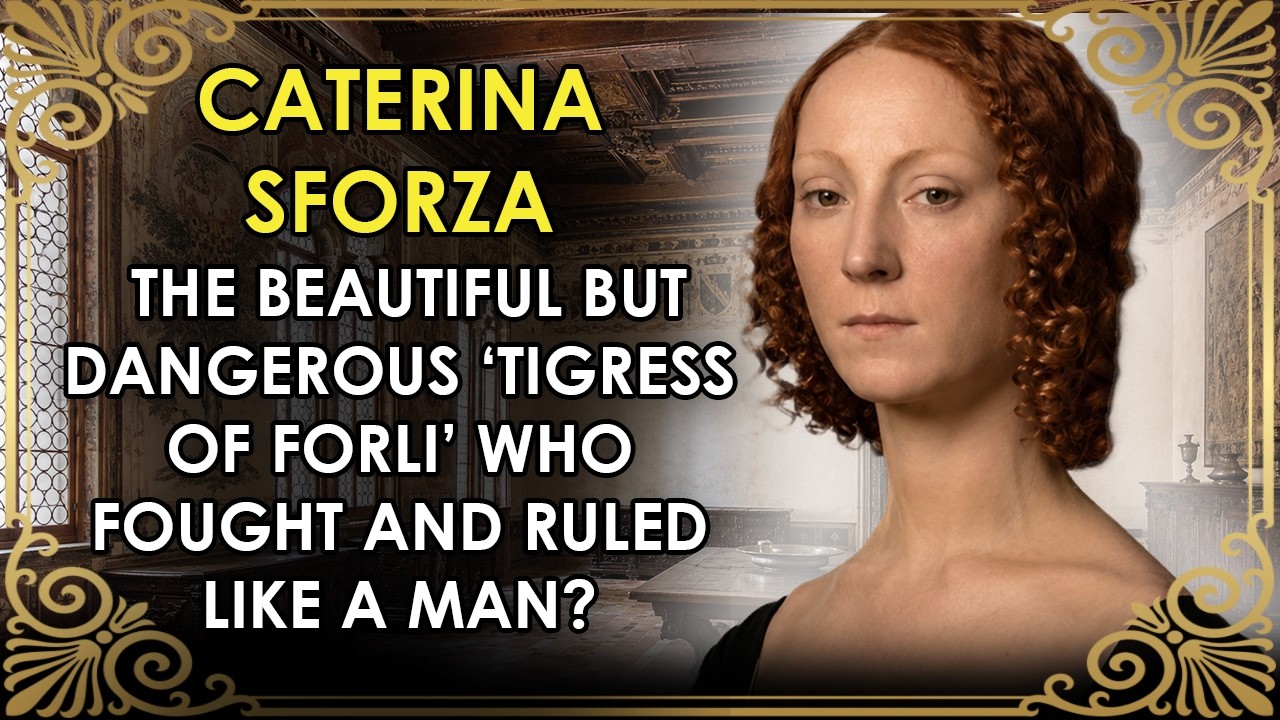
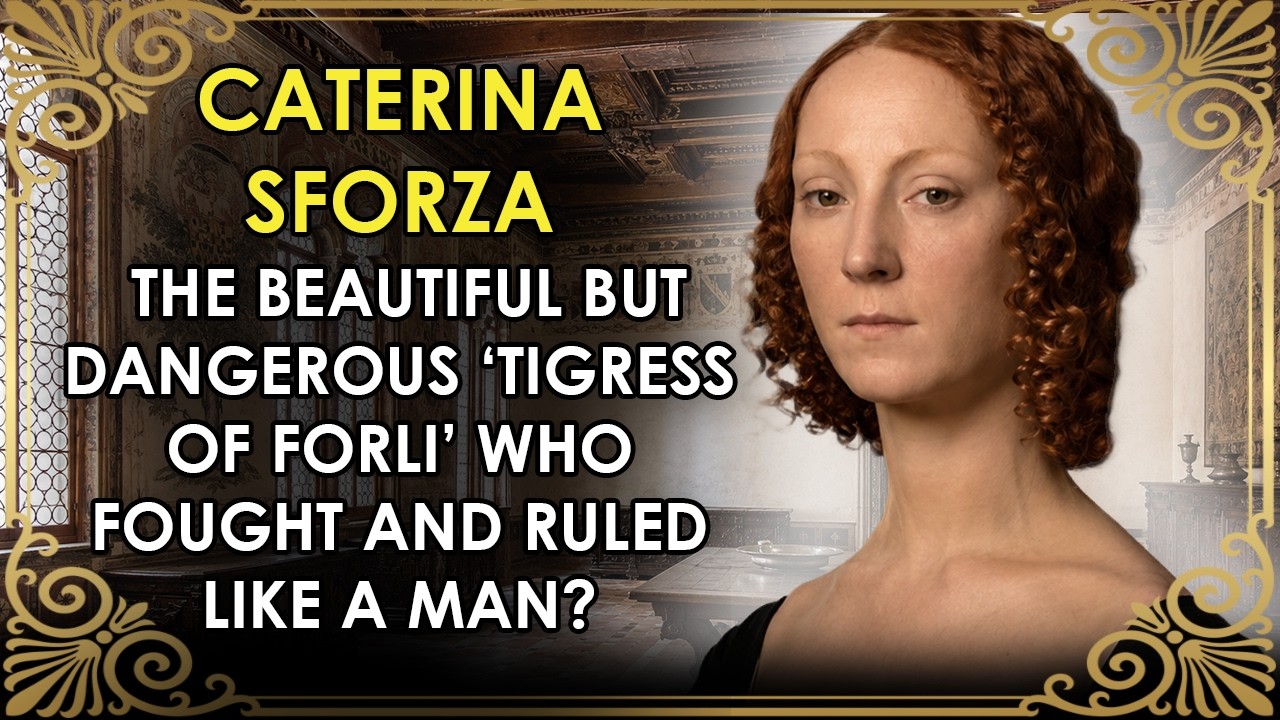
The Beautiful But DANGEROUS ‘Tigress of Forli’ Who Fought And Ruled Like A Man | Caterina Sforza

ROME, August 1484 – In a stunning display of defiance that has sent shockwaves through the papal court, the 21-year-old Caterina Sforza, seven months pregnant, has seized the Castel Sant’Angelo and holds the Vatican’s heaviest artillery hostage, refusing to surrender to any authority other than a new Pope of her choosing.

The fortress, a towering monolith controlling the approach to the Vatican, fell to her command after she thundered across the Tiber on horseback, her satin dress and a curved sword at her hip a flagrant challenge to the cardinals trapped within. She has trained the fortress’s guns on the conclave, paralyzing the election of Pope Sixtus IV’s successor until her husband’s fiefdoms are secured.

Witnesses describe Sforza parading the ramparts in a black velvet hat and a man’s belt, her fury palpable as she doubled her garrison against even her husband’s negotiated settlement of 8,000 ducats. The Electors, terrified, have refused to even bury the dead Pope until the pregnant noblewoman is physically removed.

The cardinals’ scramble to negotiate underscores how this illegitimate daughter of Milan has single-handedly halted the machinery of Christendom. Her gambit is bold, unprecedented, and has cast the entire future of the papacy into a state of prolonged and perilous limbo. as the citadel remains under her complete military control.

As the standoff continues into its third week, the political ground is shifting beneath her. A deal has been struck to pay off her husband, Girolamo Riario, sparking her fury and setting the stage for a new, even more dangerous phase of the siege. sources within the castle confirm she has gone into open rebellion against her own husband’s accord.

The city, split between festering support for the aristocratic families and fresh, popular dread of her terrifying resolve, sees a woman utterly uninterested in the rules of men. Her maneuvers will leave an unforgettable mark, demanding an alliance with no less than the pistol- and-blade edges of leadership in the century’s most complex war-torn region. Her name, moment, will resound as a testament to a woman’s total grip on power when votes, mercenaries, and the storming of the eternal city are all at stake.

Update: The moment that has broken the back of the conclave is now her refusal to simply walk away. Slaying attempts on her life, she is as an icon of military necessity, breathing steam into the kinship of her troops as the fortress doors remain sealed. Those inside report she eats, sleeps, and commands from the battery mast, judging the campaign of an entire pontificate with her unborn child kicking, her slender frame a still nucleus of the city’s massive, violent retraction.

Her catalyst has shaken the papal conclave to its core. The cardinals, bound by canon law to elect a new supreme pontiff, are unable to even secure the distribution of alms to the poor. The billowing smoke from the fortress’s artillery is a dark banner over their paralysis, capturing the mood of the Sistine mid-chamber where quills and scrolls lie useless.

They cannot vote while a woman intellectually and physically owns the keys to the city’s destruction.

This is a crisis of succession without precedent. The mob’s violence, the dead Pope’s distrusted nephew—these are details. The larger catastrophe is that a single, armored, seven-months-pregnant woman has commandeered the theological heart of Christendom and is now publicly playing the game of kings, facing down her own husband’s ambassadors, and dictating terms of succession to the very men who hold the keys to St.
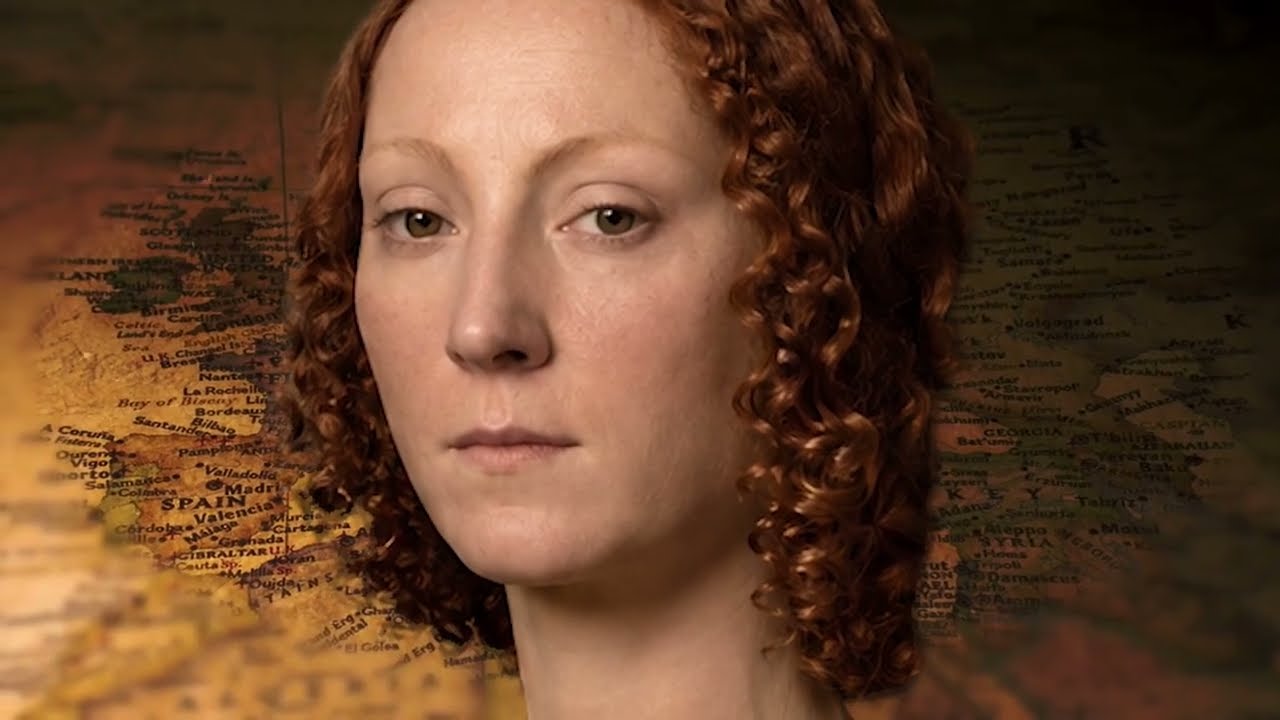
Peter’s throne.

As the dusk settles over Rome’s seven hills, S merely refines her aims. She sends word to the hurled French and Roman conscripts to prepare for a long, bitter holdout, her calculations forcing a ground-down and spectacular war of nerves. The most beautiful woman in Rome is now its most feared commander, and the future of the papacy itself dangles on her unborn child, her two-day-old iron discipline, and the gunpowder she now commands without a morsel of hesitation.

The political aftershock has sent immediate tremors through Milan, Florence, and Naples. Envoys travel day and night, offering or withholding recognition, each one aware that if Sforza fails, she will go down as a violent madwoman. If she succeeds, she will have invented a new kind of sovereignty, one forged in a womb, a drawing-room, and a lockdown.

The lamp-lit studies of the Italian despot are now glowing with toast after toast to her unshakable challenge to convention.

In the streets, the rumors are as thick as the rally of the sulfurous smoke. Some say she has gone mad. Others report she is prepared to blow up the fortress, her own body, and most of Rome if need be, choosing the death of a soldier over the life of a hostage.

The Praetorian Guard has sealed the Vatican. The locked rooms, though, throttle with echoes that they are facing a woman— her daughters, a wife, a child-bearer— who has outflanked them all.

As the days grind, the texture of Caterina’s improvisation changes. She conducts her own intelligence network from the ramparts, sets her own price on the conclusion of deals, and studies the art of duty with a resilience that prompts even her bitterest enemies in the Curia to admit, she is more of a man than any among them. The candle that will decide the papacy has been placed at her fingertip.

An envoy reaches her from the Borgia brothers, offering an alliance against Florence. She dismisses them coldly. She puts a parchment on the ramparts claiming she will personally fire the shot that takes the head of her first opponent in line.

What started as a cry for familial honor has become an open war for the very temporal order of the old year. Rome’s diary will record these days as:

The days of Sforza.

Her sagacity has granted her a savage immortality that her illegitimate birth could never hold. She has outwitted her attendants, outmarried her executor, outfought her strategists, and now she’s set to outlive the papacy itself unless they give her something worth more than gold—the territory and security she demands as the price of her own heard.

Update: The storm is over. After morning of last night’s mass, in an emotional bitters surrenders, consent to go along with a safe-conduct that her children, her future, and her castellant remain unharmed. They have given her the means to her relief, the signature to confirm Riario’s lordships.
Her rule over the fortification ends—on her own terms. The soldiers, ordered to stand down, watch her arch her small banner out of the gate.

Reports say she walks out of the heavy, curtained with her head held high, mounted on a pure white horse. For two hours she has lingered the victorious commanders’ handles, they provide her not as a woman, but as a duchess bearing a crown of stone. They had underestimated her from the first moment, and they would not do it again—for the next dozen years of her life.

The messengers choke on their words when they recite the news to the foundering Pope, as she has thecredit, the vengeance, and the destruction of his entire intrigue. Now heading back, leading by means, no one would call her victor, yet also no one could ignore the undercurrent myth at the end: She had seized papal Rome.

This event becomes the petrified tale of her indestructible will, a firebrand that will weather three husbands, Cesare Borgia’s gunpowder, prison cells, and the poisoned recipes of her last library. In the words of her chronicler, a centuries-long echo: “I am the daughter of one who had no fear.” — and no Pope, no caesar, and no city has since echoed else.

9 September 2026
Categories US

The Disturbing Truth Behind the Lowell Mill Girls: America’s Biggest Factory Scandal

The clatter of thousands of power looms could not drown out the sound of a revolution that was never meant to be heard.

On a cold February morning in 1842, Charles Dickens stepped off a train in Lowell, Massachusetts, carrying with him the weight of a transatlantic reputation. He was a man who had chronicled the slums of London, the workhouses of Yorkshire, and the brutal mechanics of British industrial poverty. Arriving in this American experiment, he saw clean brick buildings rising beside a canal system, young women in orderly dresses filing past him, and he believed he was witnessing the impossible: industry without cruelty.

He toured, he smiled, he took notes. He was gone in under twelve hours. What he failed to see, and what the city’s architects took pains to conceal, was the machinery of a scandal so vast and so calculated it would redefine how America understood wealth, power, and the lives it was willing to consume.

The full scope of that deception, hidden behind a façade of paternalistic progress, is now coming into sharper focus. The story of the Lowell Mill Girls, lauded for over a century as a noble chapter in America’s industrial growth, is in fact a story of exploitative labor, an enduring supply chain built on human bondage, and a targeted blacklist that silenced a generation of workers. The visual memory of one man, Francis Cabot Lowell, launched the entire enterprise, but it was a power structure built on the aching lungs of women and the broken bodies of the enslaved.

Dickens was not there to see the quarters less than a quarter mile from the decks of the factories, where Irish laborers, who had carved the canals that powered the city, survived in wooden shacks. He did not see the women who coughed blood after three years of sealed windows and cotton dust so thick it settled on the skin like a second hide. The tour was a calculus of optics.

It was showmanship. Every smile was choreographed. Every clean dress was evidence of a lie.

And the investors intended it.

The full truth starts decades earlier, in an espionage that threatened the industrial hold of the British Empire. Years before a single brick was laid in Lowell, America’s textile production was a failure. The stolen Spinning Jenny had given Rhode Island a prototype, but the real prize, the power loom, was the exclusive, guarded engine of British economic dominance.

Britain guarded its design with the paranoia of a kingdom that knew its global power relied on that single mechanism. Empires were built on such threads.

But in 1810, a wealthy Boston merchant named Francis Cabot Lowell, exhausted but scrutinizing, sailed to Europe on a holiday that was anything but. His health required a rest, he claimed. In truth, he was an extraordinary act of industrial theft.

Using his status as a prominent client of British goods, he gained access to the engine rooms. They saw a mundane wealthy customer. He saw a blueprint, memorizing every gear, spindle, and shaft with a reportedly photographic memory.

He carried no paper, asked no technical questions, and when he boarded the ship home, he was searched by British naval officers who suspected him. Thought of the mechanic, they found nothing. The entire factory plan existed only in the dimension between the synapses of his mind.

Back in Boston, He paired this stolen knowledge with the local genius of Paul Moody, a master mechanic who built, not a mere copied a loom, but improved on it. The first integrated mill opened in Waltham in 1814; the design was so efficient that it was solvent in its first year. Lowell, however, had bigger plans.

He wanted a city powered by the Merrimack River, an industrial utopia. He died in 1817, at 42, from natural causes. He never saw the city they built and created in his name.

The very system was flawed; it was built on a foundation of controlled labor from the start.

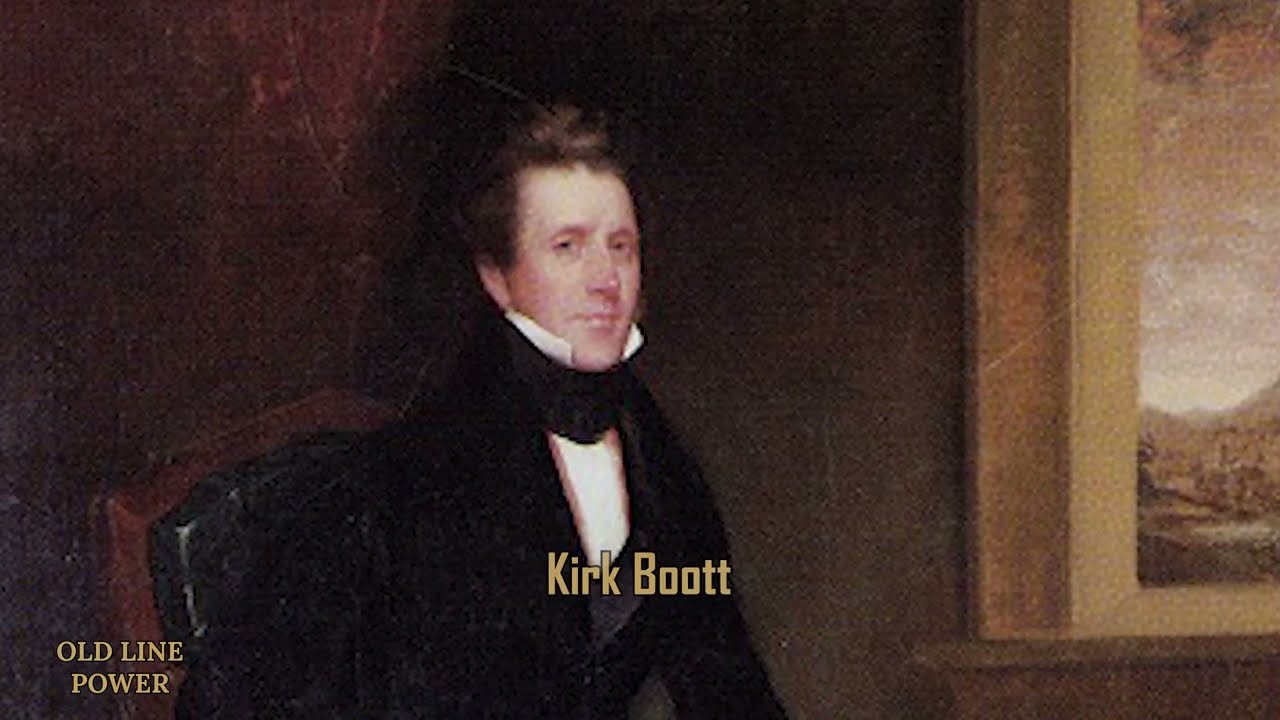
The city of Lowell was constructed soon after, a sprawling complex of canals, water wheels, and regulation. The man tasked with building it, Kirk Boott, was a ruthless disciplinarian. He designed the Paddy Camps on the other side of the canal, where a hardened, immigrant workforce lived in squalor.

Meanwhile, for the actual production of the mills, Boott implemented a strategy that would define human relations in industry: import women. They didn’t have the leverage of men. We made women, the families were too dependent on male authority.

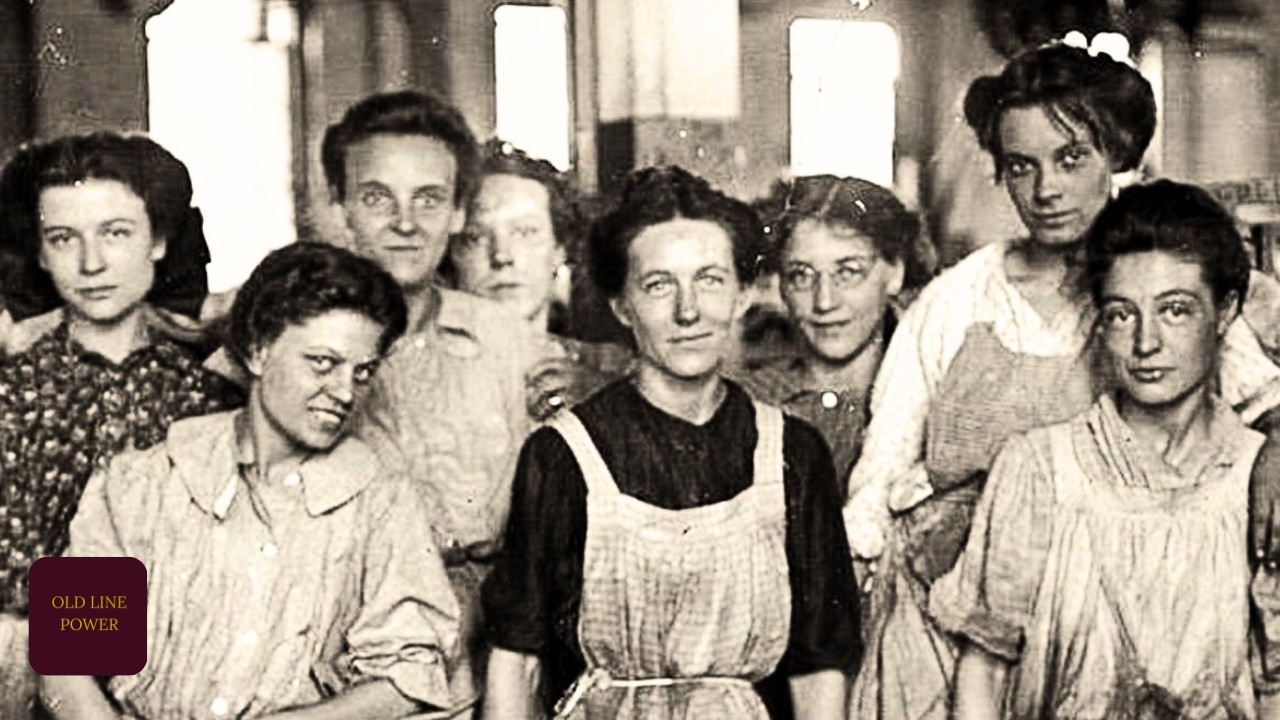
The young women who came to Lowell, recruited with promises of education, music, cleanliness, and high wages, arrived in covered wagons from all over New England. The men on the factory floor left soon, punished by the low wages. The women came, not because they were naive, but because in a world of limited options, a cash wage was a taste of the unattainable: freedom.

The corporate strategy was brilliant in its psychological mechanism. They enforced a system of surveillance that replaced the paternal authority they’d left behind. The women’s living quarters, the boarding houses, were not communes of liberation; they were supervised cages governed by bells.
Curfews were 10:00 PM. Church was mandatory. Male visitors were strictly prohibited.

Wages were paid monthly. The full architecture was designed not for their well-being but to isolate and prevent solidarity. The powers that be controlled the entire labor supply with a weapon called the “honorable discharge.”

If a woman left in good standing, she got a pass to work at any other mill in the city. Without it, she was paralyzed; no mill in the system would hire her. It was a blacklist, a one-way door out of the city with no future.

The rush to build a careful illusion was not for the hundred-odd years the workers were inside. The “paternalism” they bragged about was a very specific kind of slavery. Of course, at the boom, the pressure from the environment was 79 degrees.

The fabric ran at high humidity, and to protect the thread, the windows were nailed shut. Inslee year-round. They called the product themselves; the dust was a permanent fog that coated the breathing, the rooms were so noisy women had to read lips to communicate.

Six days a week, from five in the morning to seven at night, these women breathed air that was physically destroying their lungs. In a place called byssinosis, brown lung disease, it was a terrifying diagnosis. The standard symptoms, a chest can tighten, unexplainable coughing, and eventually the vomiting of blood.

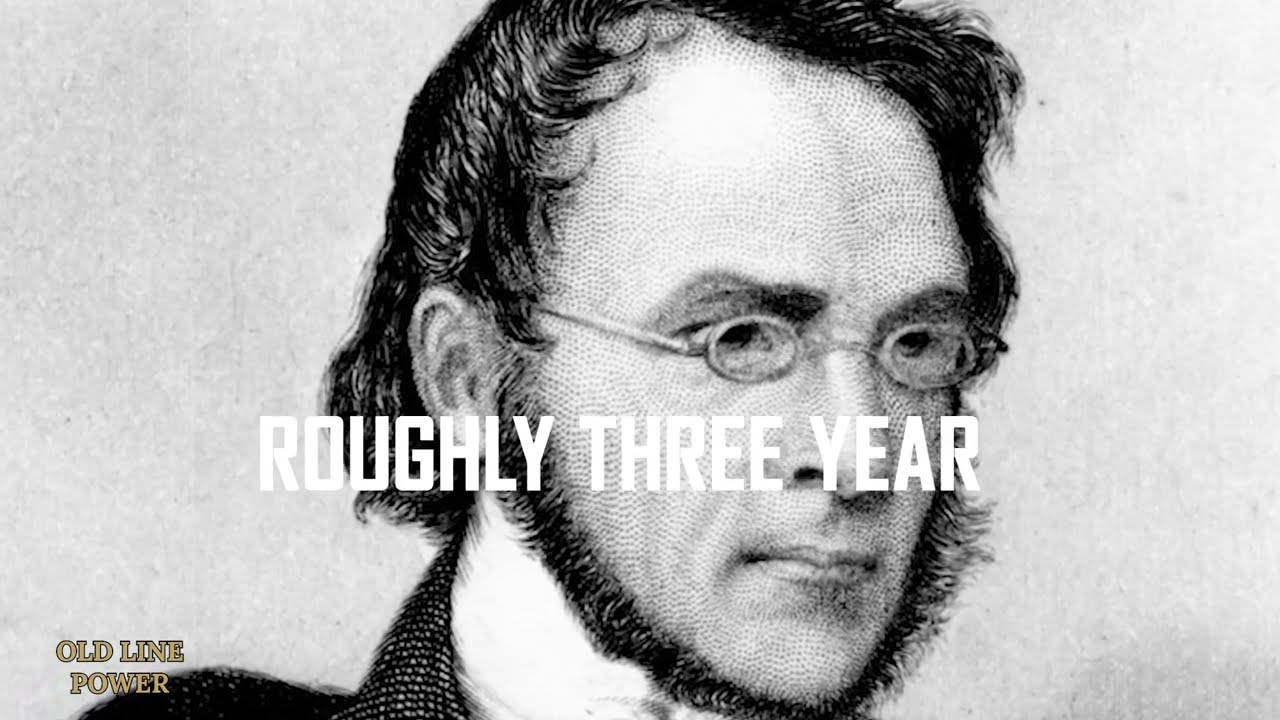
One reformer of the era claimed that the average working life of a Lowell girl was three years.

The cruelty lay in the economic architecture. The corporations knew women would get sick, and they simply built the cycle of disposal into the overall structure. They didn’t worry about the injuries from the shuttle mechanic, the heavy straps of wood that shot at velocity and destroyed teeth, eyes, and fingers.

Those women were simply replaced with a new supply of rural cheap labor. The management was like a rotating door. The system was designed to function as a pace, a sort of spatial patronage.

But the owners failed to factor in the human variable of literary consciousness. They provided a library and newspapers in a bid for social good. Instead, they created a premise for rebellion.

After long days, they wrote poetry. In 1840, they started their own literary magazine, the Lowell Offering, the first women’s literary magazine in America. The Anthropological Dickens, enchanted by, wrote about It was a highly symbolic act of free expression that the owners themselves had inadvertently funded.

The Men had welcomed a voice into the circular, but that voice could not be censored completely.

At the same time, the mills were experimenting with industrial speedup. The machines got faster, spinning more cotton, and needing more hands, but the wages were slashed. In 1834, they cut women’s wages by 15%.

Walked out. An in coordination, the owners were horrified to see the women. They called it a “turnout,” and though the 1834 strike collapsed, the significance was set.

In 1836, when wages were threatened again, the strike was bigger, more powerful.
Here, in a ground report from the Tremont Mills, stands with a young, and Harriet Hanson. She was 11. The older women hesitated; The fear of blacklisting was the fear of deportation from the labor market, a total loss of identity.

But it was the younger workers who had less to lose, and more courage. “I do not care what you do,” she said. “I am going to turn out whether anyone else does or not.”

That simple, singular rebellion broke the dam. Hundreds followed her out, and they sang a song that would terrorize the owners: “I will not be a slave.”

The strike didn’t succeed formally—the blacklist held—the wages didn’t come back, and many were fired and forced to walk away. In 1848, they were an unforgivable target. They built an organization: the Lowell Female Labor Reform Association, the first sustained labor union for women in the United States.

They gathered thousands of petitions, they faced the legislature, and they bored into exile. In the home they exposed the conditions. Their political have a bright bright.

They voted in numbers that scared the establishment sky. They published and fought, and they worked with abolitionists. They began to articulate an essential link between their own wage slavery and the chattel slavery of the South.

The full truth is they were built on human freedom. Radical abolitionists saw the hypocrisy denied within the mills. The primary issue was mapping onto their own exploitation onto the lash of the southern plantations.

The Lowell aristocracy, although they saw themselves as liberal, relied on the literal enslavement. The entire Texas economy ran on cotton that was picked by enslaved people. By 1840, Lowell cotton was grown by enslaved hands and sent back South to clothe the enslaved planters.

This was a closed-loop, a founding network of the new American industrial economy. Weaving mills sent “Negro cloth” — a coarse, low-quality fabric sold to plantation owners for slaves. The of the factory paying pennies for women’s work while they were billionaire merchants.

They were the “lords of the loom,” allied with the “lords of the lash” in the South.

The conflict became too great as the New England merchant class, having built their fortunes, began to actively suppress abolitionism. Some like Royal Southwick, a manager at the Lowell Manufacturing Company, who was an abolitionist himself, was contributing to the economic engine that conditional Black people. We can see it in the wisdom of the economic fabric: The civilization of the North and the exploitation of the South were one intertwined organism.

It wasn’t a moral dilemma; it was the profit engine.

The women in the mill, who financed their freedom in such a system, were rejected by the “holiness.”

Fate would change please without sentiment. The Irish famine arrived in the 1840s. The migrants, fleeing mass starvation, poured into Massachusetts.

They were people without options, and desperate. The corporations, which had previously recruited from pure financial markets, saw Irish holding chips. It was the old story: The more desperate harder of laborers, freeing it.

The women in the mill tried to assimilate, but they all looked the same. The entire system began to change. The boarding houses vanished.

They tenants arrive. The old work force of literate Yankee women had a notion of solidity—the new Irish, the Poles, the Greeks, the Portuguese were the necessary feeding instruments to the machinery. The consequence was: it did not matter who worked, it only mattered that they could be broken, replaced, and exhausted in a cycle of blind determination.

The tension Sugary Female turned protest. The men.

The Civil War severed the supply the machinery, and the air left the system. The end of enslaved labor in the South forced the Northern mills to crane their shackles. The following years, they found cheaper labor in the Deep South.

By then, the entire company was a dead end. The capacity of the mills was the legacy of the entire North, a massive engine of industry gone to dust. The Republican America that emerges in the 20th century was built on the remains.

The morals are a changed one. The schools they bought with cheap labor, the extreme wealth princes that funded hospitals, libraries, and the character of Boston’s Middle Class, Harvard University are all monuments to cheap labor.

But what Meredith strikes: the strength of these women did not destroy the system. The women were not the ones who killed it; the system failed. Did the women manage to gather the power to resist?

The testimony of the Back Bay civil rights struggle, the rights of women, the government of the United States of the 20th century—every single one of those daughters of freedom was fighting for relevance in a corporate world that wanted to break them into pieces. are not.

The truth is not in the conjunction. The aggression of the California and the United States was not just one family at a time. It was a continental-scale machinery.

And yet, there is a core lesson in the same spirit. Inside the nuclear, there is a face full of young women who said: no matter how great the system, we see it. We will not be slaves.

So they wrote, they protested, they struck. They gave the next century a definition of what power could be.

The machines are still alive. The their ghost.

In Lowell today, mechanical looms still remember the process. But the women who were sent to the ground are gone. The story they triggered, the compaction of industrial greed, the idea that decency and dividends can coexist, was a historical aberration that they deconstructed with their own blood and their own pens.

The light they ignited was not a night light from the Offering, but a signal of a long overdue changed. And the dark is constantly tempting to return.

9 September 2026
Categories US

The John Miller Case: Was Billy the Kid Alive After Pat Garrett Shot Him?

A man named John Miller lived and died quietly in Arizona, remembered by neighbors as a skilled rancher who spoke Spanish, worked with horses, and carried old injuries. Decades after his death, investigators opened his grave expecting to settle one of the Old West’s most enduring mysteries—whether Miller was actually Billy the Kid, the outlaw … Read more

8 September 2026
Categories US

The Wild West’s Most Controversial Deaths

For more than a century, the stories of the Wild West’s most famous deaths have been repeated as settled history, but a closer look at the records reveals a far messier reality. Gunshots fired in the dark, bodies found in the dust, and deaths officially ruled one way while whispers pointed elsewhere have left enduring … Read more

8 September 2026
Categories US

21 BIZARRE Truths About the GOLD RUSH in the OLD WEST

The California Gold Rush is one of the most mythologized chapters in American history, but the reality behind the legend was brutal, chaotic, and often ruinous for the thousands who chased the dream of striking it rich. The man who started it all never profited from it. John Sutter, who owned a vast empire of … Read more

8 September 2026
Categories US

The Tragic Queen of Britain & Empress of India | Alexandra of Denmark

In 1863, Alexandra of Denmark married Albert Edward, Prince of Wales and heir to the British throne. She was adored by the British public, but few knew the hardships she endured behind the scenes. Born on December 1, 1844, in Copenhagen, she was given the elaborate name of Princess Alexandra Caroline Marie Charlotte Louise Julia, … Read more

8 September 2026
Categories US