At 93, Michael Caine Reveals The 5 People He Loved The Most


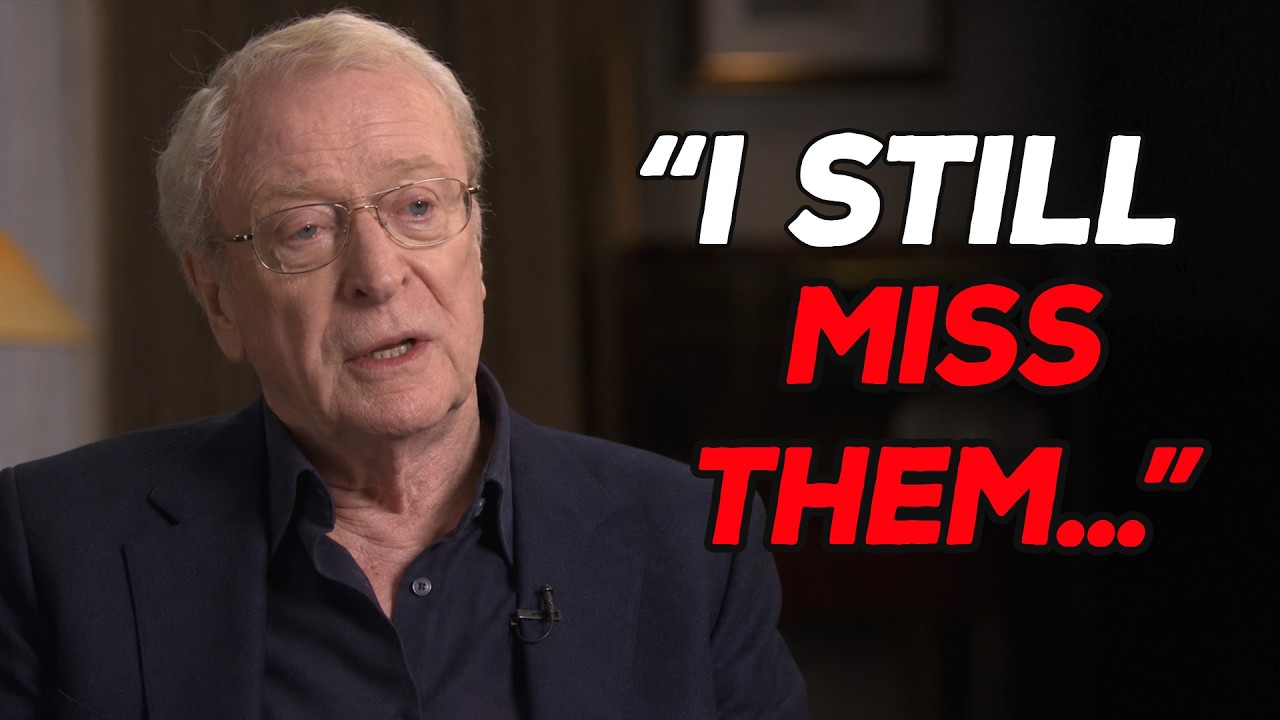
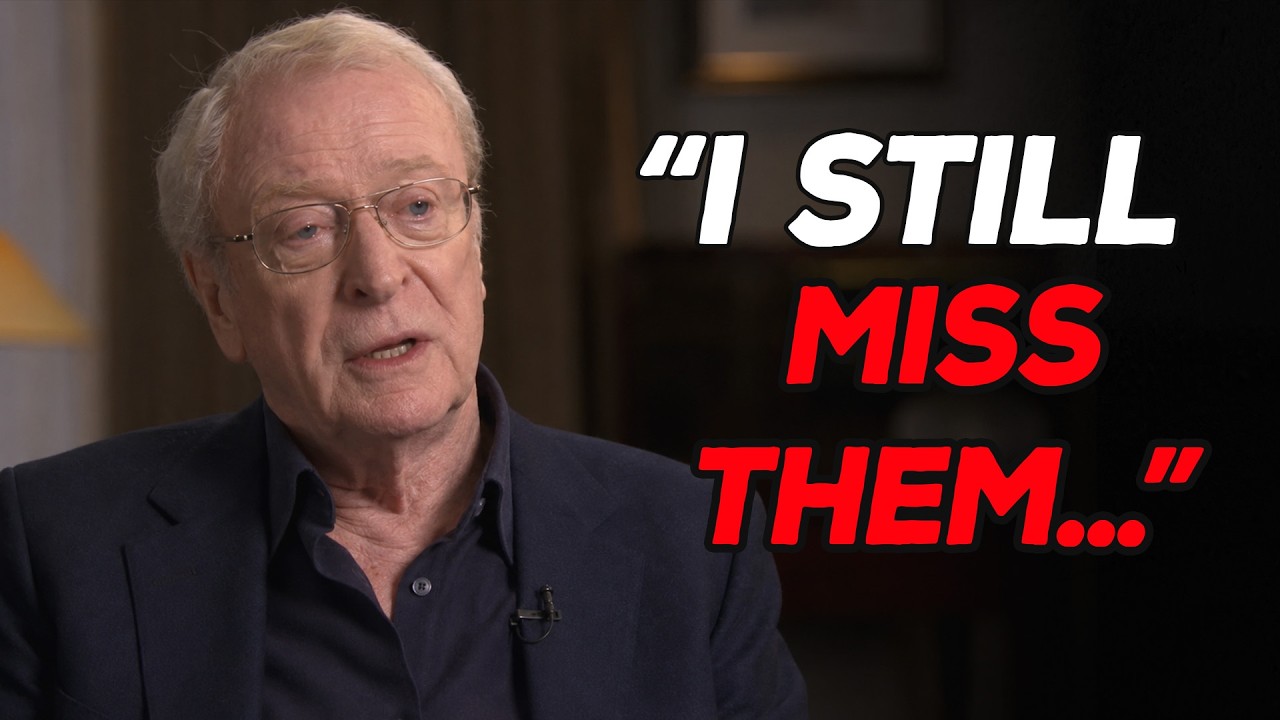
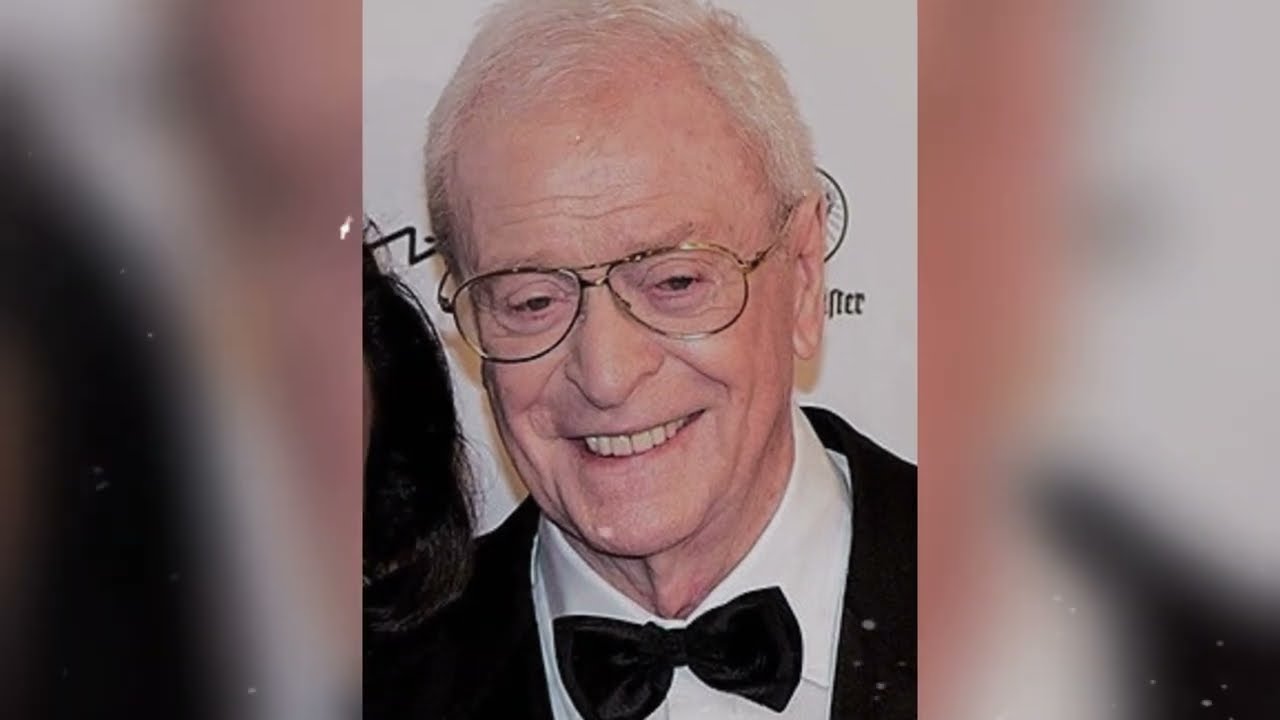
Veteran actor Michael Caine, at 93 years old, has opened up about the five people he loved most in the film industry, offering a deeply personal reflection that goes beyond awards and box office success. In a rare and candid video transcript obtained by this news organization, Caine revealed the names that came to mind when asked who mattered most to him after decades in Hollywood. The list includes Sean Connery, Roger Moore, Laurence Olivier, John Wayne, and Shirley MacLaine.
But his explanation is less about their fame and more about the quiet moments they shared.

Caine began by distinguishing between greatness and love. “The greatest actors are easy to argue about.

Everybody has a different list. But the people you love, that’s different,” he said. “That comes from spending years together, sharing film sets, sitting through long dinners after work.”

He emphasized that careers eventually become “photographs in books,” but friendships endure. “There are people I still expect to bump into when I walk into an old studio, even though I know they’ve been gone for years.”

The first name on his list was Sean Connery.

Caine recalled how Connery broke barriers for British actors in Hollywood. “If you were a British actor trying to make your way in Hollywood during our time, you couldn’t help but admire what Sean had done,” Caine said. But beyond the James Bond image, Connery was simply “Sean.”

“People often expected him to be serious… Most of the time, he’d say something that made everybody laugh instead.” Caine remembered standing in corners at events, talking about ordinary things like families and football.

“That’s usually how friendships work. They don’t happen during interviews. They happen in the quiet moments when nobody’s paying attention.”


Connery’s confidence, Caine noted, was not arrogance. “He simply knew who he was and he never felt the need to prove it to anyone else.” When Connery passed away, Caine said he thought less about the films and more about those conversations.

“You reach an age where losing an old friend feels different. It isn’t only their voice that disappears. It’s a piece of your own life that quietly goes with them.”


The second person was Roger Moore. Caine described Moore as a man who made difficult film sets easier. “If you spent 10 minutes with Roger, you’d understand what people loved about him.
He made things easy.” Moore had a knack for sensing tension and diffusing it with a smile or a joke. “That wasn’t something you could learn in acting school.

That was simply who he was.” Caine emphasized Moore’s equal treatment of everyone on set, from directors to runners. “He looked people in the eye.

He remembered names. That tells you a lot about a person.”

Caine admired how Moore never changed with fame.

“If anything, the more famous he became, the more determined he seemed to make people feel comfortable around him.” When Moore became ill, he kept his sense of humor and thought of others. “When he was gone, the industry lost a wonderful actor.

I lost someone who always made me smile.”

Laurence Olivier came next. Caine admitted he was nervous working with Olivier for the first time.

“How could I not be? By then, he wasn’t just another actor. He was Laurence Olivier.”

But Olivier greeted him like an old friend and put him at ease. Caine was struck by Olivier’s preparation. “Every line mattered.

Every scene mattered. Watching him taught me something I carried through the rest of my career. Experience doesn’t give you permission to stop trying.”


Olivier also had a dry humor that surprised people. “Between takes, he’d tell a story or make a dry little comment that caught everyone off guard.” Caine said the greatest lesson was that “talent can open the first door, but discipline is what keeps it open.”
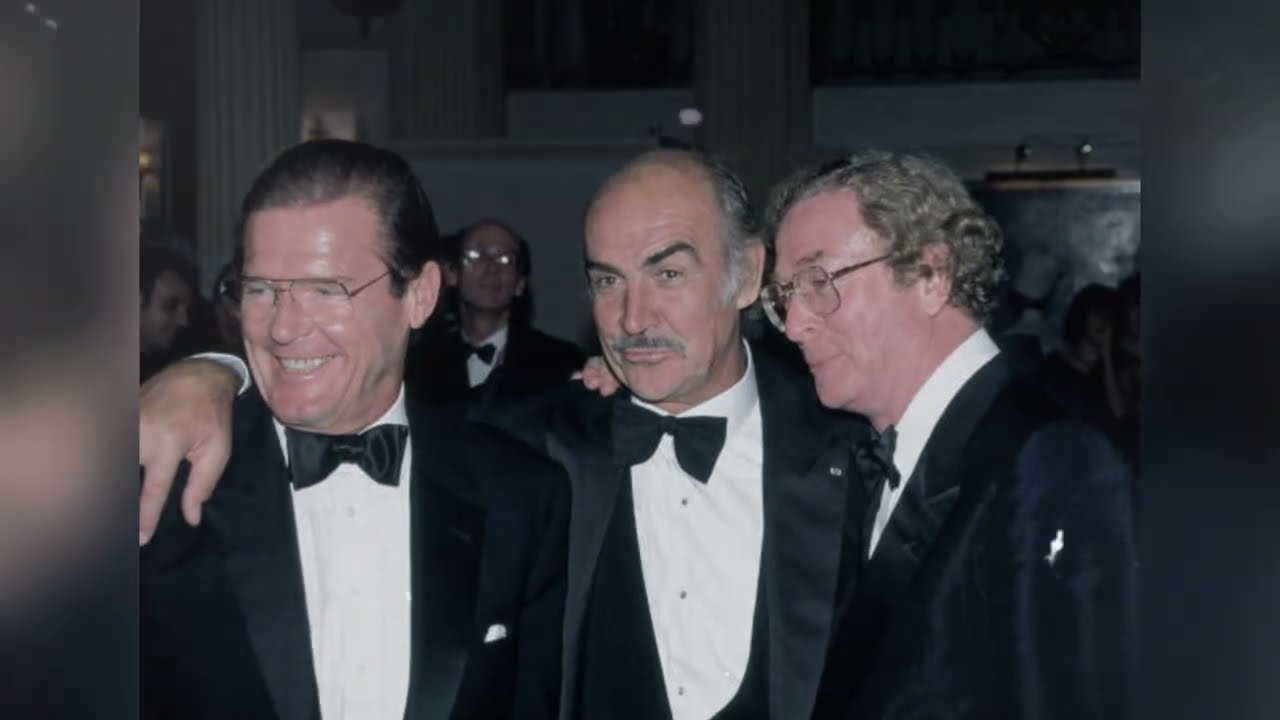
He added, “I remember a man who never made a younger actor feel small. That’s something I’ll always be grateful for.”

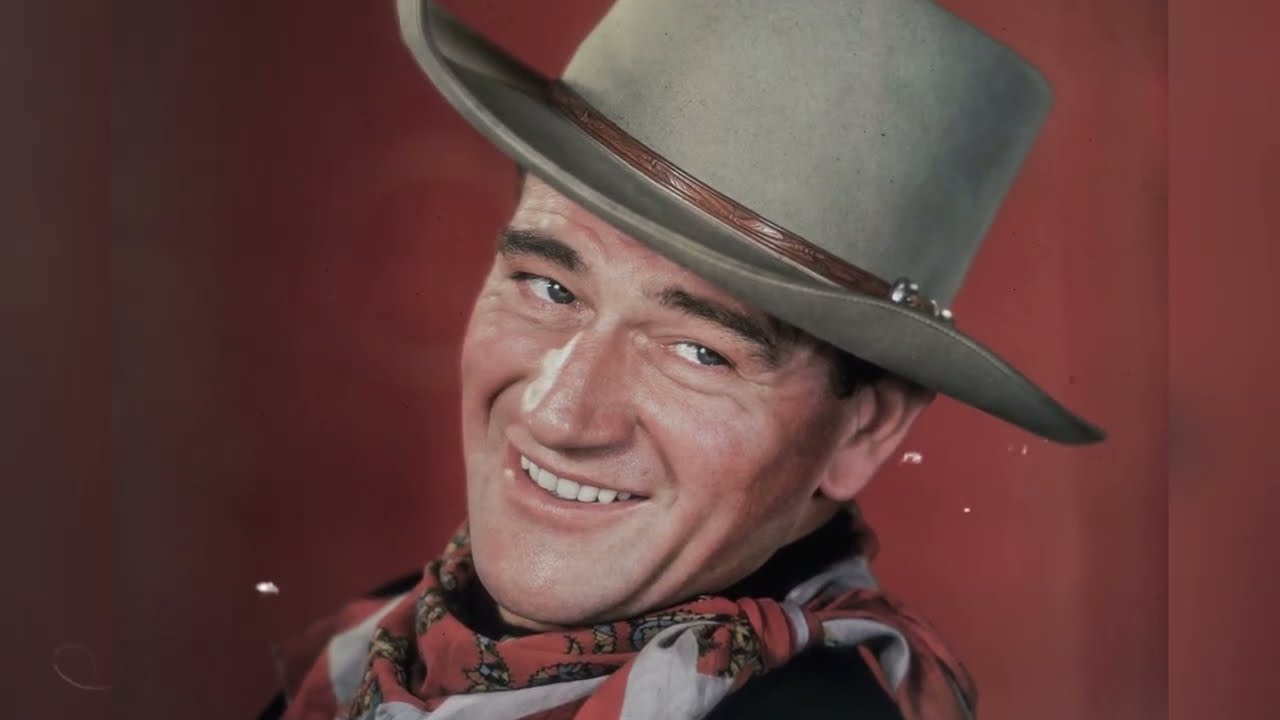
The fourth name was John Wayne.

Caine admitted he was nervous meeting the iconic star. “To my generation, he wasn’t just a movie star. He was John Wayne.”

But the man he met was quieter than expected. “He didn’t waste words. When he spoke, you listened because he never seemed interested in talking just to fill the silence.”

Their conversations rarely touched on films. “We talked about getting older. We talked about family.

We talked about how strange fame could be.”

Caine admired Wayne’s steadiness. “There was a steadiness about him.

He didn’t seem interested in proving he was tough. He simply was who he was.” As both grew older, Caine appreciated those conversations more.

“You begin to understand that careers eventually slow down… What matters then is whether you’ve built real friendships along the way.” When Wayne died, Caine said he lost “someone I genuinely enjoyed spending time with.”


The final person on the list was Shirley MacLaine. Caine noted that some might expect another British actor, but this list was about who stayed in his life. “The first thing people notice about Shirley is her energy.

She walks into a room and somehow it feels brighter almost immediately.” MacLaine is curious and listens. “She always seemed more interested in hearing what someone else had to say.”
Caine said their conversations never felt rushed, drifting from films to family to books. “Those are my favorite kinds of conversations. No cameras.

No audience. Just two old friends enjoying each other’s company.” He admired that MacLaine never lost her sense of wonder.

“Hollywood has a way of making people cynical… Shirley never seemed to let that happen.” She still finds reasons to laugh and believes there is always something new to learn.

“She reminds you that growing older doesn’t mean becoming smaller. It simply means collecting more stories.”

Caine concluded by reflecting on the greatest privilege of his career.

“When people ask me about the greatest privilege of my career, they usually expect me to mention an award or a famous film. They’re always surprised by my answer. The greatest privilege was the people.”

He said the films gave them a reason to meet, but friendship gave them a reason to stay in touch. “At the end of your life, nobody remembers how many days you spent on a film set. You remember who was standing beside you.

Those are the memories I’ve held onto. And I imagine I always will.”

The revelation comes as Caine, now 93, continues to reflect on a career spanning more than seven decades.

His words offer a rare glimpse into the private world of one of cinema’s most enduring figures. For fans and fellow actors alike, the list serves as a reminder that behind the legends are human connections that outlast any accolade.
 

8 August 2026
Categories US

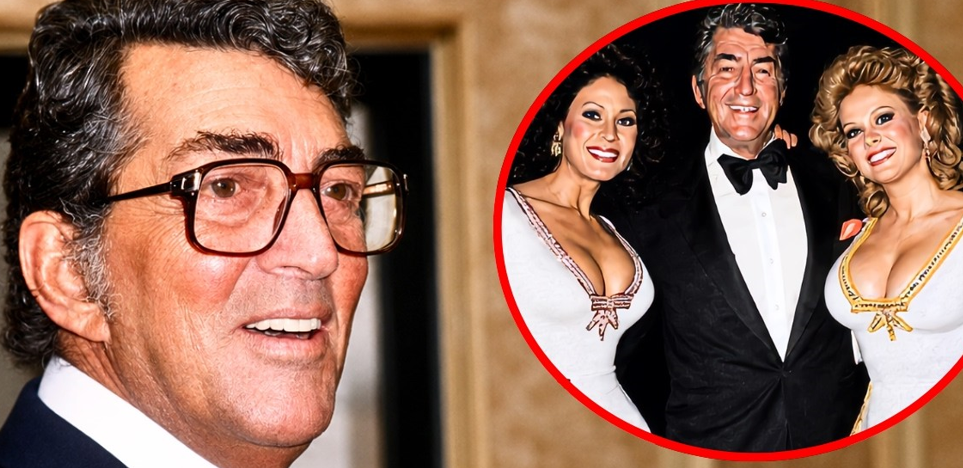
Dean Martin’s 6 Secret Affairs Hollywood Tried to Hide: The Lonely Man Behind the Perfect Smile

For decades, the world believed it understood Dean Martin. He was the man with the relaxed smile, the smooth voice, the effortless charm, and the famous glass in his hand. On stage, he looked like a man who had nothing to prove, someone who could walk into any room and own it without trying. But behind that image was a much quieter story — one about loneliness, hidden emotions, and a man who spent his entire life searching for a connection he was afraid to keep.


8 August 2026
Categories US

Randolph Scott On The Affair That DESTROYED His Marriage

The marriage of Hollywood’s most stoic cowboy to a DuPont heiress crumbled in just two years, and a newly unearthed video transcript reveals the explosive secret that shattered the facade. Randolph Scott, the iconic Western star who embodied rugged American masculinity, wed Marion DuPont in 1936 in a union that seemed to unite two dynasties. But behind the studio’s polished narrative of irreconcilable differences lies a far darker tale of forbidden love, hidden identities, and a bond with another legendary leading man that refused to die.

The video transcript, obtained by this news organization, details a scandal that the Golden Age of Hollywood fought desperately to bury. According to the transcript, Scott’s marriage to the high-society heiress was little more than a cover for a deeply passionate relationship with Cary Grant, the suave, debonair actor who would become one of cinema’s greatest stars. The two men, the transcript alleges, shared a home for over a decade, from 1932 to 1944, in a living arrangement that the studio system tried to spin as mere frugality during the Great Depression.

The truth, as laid out in the transcript, is far more intimate. Photographs from the era show Scott and Grant cooking together, lounging poolside in matching robes, and sharing a domestic bliss that transcended the bounds of friendship. The press dubbed their Santa Monica beach house “Bachelor Hall,” a term that was meant to deflect suspicion but instead fueled whispered rumors throughout Tinseltown.

The transcript claims that the studio orchestrated fake romances with starlets to protect the two actors’ careers, but the bond between them only grew stronger.

Scott’s marriage to Marion DuPont, the transcript asserts, was doomed from the start. Marion, a fiercely independent equestrian who made history as the first woman to win a major riding competition at Madison Square Garden, was a Virginia aristocrat who belonged to a world of horse farms and high society. Scott, meanwhile, was a California-based actor whose heart and home were with Grant.

The geographical divide was insurmountable, and by 1938, the couple separated, finalizing their divorce in 1939. The transcript suggests that the marriage was a convenient arrangement, a “paper-thin union” that allowed Scott to maintain his public image while living a private truth.

The evidence for the affair, as presented in the transcript, is both tantalizing and controversial. It includes a bombshell allegation from legendary director George Cukor, who claimed in a 1996 book that Scott was open about his relationship with Grant in private circles. Another witness, Richard Blackwell, the infamous fashion critic, asserted that he lived with the two men during their “bachelor days” and described them as “deeply and madly in love.”

Most shocking of all, Scotty Bowers, a notorious Hollywood fixer, claimed in his 2012 memoir that he facilitated sexual encounters between the two stars, including multi-person arrangements.

But the transcript also acknowledges the fierce pushback against these claims. Cary Grant spent his entire life vehemently denying the rumors, suing anyone who suggested he was gay. In 1980, when comedian Chevy Chase made a joke about Grant’s sexuality on live television, Grant slapped him with a $10 million defamation lawsuit.

Grant’s fourth wife, Dyann Cannon, insisted in her memoir that their intimate life was intensely fulfilling and that she never saw any sign of a relationship with Scott. His daughter, Jennifer Grant, offered a more nuanced view, suggesting that her father enjoyed the speculation because it made him more attractive to women.

Randolph Scott, by contrast, chose absolute silence. He never addressed the rumors, maintaining a low profile until his death in 1987 at the age of 89. His adopted son, Christopher Scott, forcefully denied the allegations, insisting that his home life was entirely traditional.

The Charlotte Museum of History, located in Scott’s hometown, captures the definitive balanced truth: while the arrangement caused intense gossip, whether anything romantic actually happened remains pure speculation without legal or historical confirmation.

The transcript’s most devastating revelation, however, is the timeline. In 1944, the exact same year Scott permanently stopped living with Grant, he married Patricia Stillman, a New York actress 21 years his junior. They adopted two children, built a quiet home beside the Los Angeles Country Club golf course, and remained happily married for 43 years until Scott’s death.

This detail, the transcript argues, undermines the narrative that Scott’s first marriage was destroyed by a secret affair. Instead, it suggests a man who found genuine love and stability after a period of intense personal turmoil.

The financial and professional success of Randolph Scott further complicates the narrative. He was not a victim of scandal but one of Hollywood’s most formidable figures. Between 1950 and 1953, he reigned as one of the top 10 box office draws.

His collaboration with director Budd Boetticher on a series of lean, morally complex westerns, including “Seven Men from Now” and “The Tall T,” is celebrated today as cinematic art. After starring in Sam Peckinpah’s 1962 masterpiece “Ride the High Country,” Scott walked away from acting at the peak of his career, amassing a fortune estimated at $100 million through shrewd investments in real estate, oil, and securities.
The transcript concludes with a haunting coda. Scott passed away quietly in his sleep on March 2, 1987, following heart and lung ailments. He was laid to rest in Charlotte, North Carolina.

In a final twist of fate, he was survived in memory by Cary Grant, who had died just three months earlier in November 1986. The two men, who once shared Bachelor Hall and weathered 54 years of intense public scrutiny, left the world within a single season of each other, forever bound by an unbroken friendship and an unsolved mystery that Hollywood will never forget.

The question of whether Randolph Scott’s marriage was destroyed by an affair with Cary Grant remains unanswered. The evidence splits cleanly down the middle, with passionate advocates on both sides. What is clear is that the story of Bachelor Hall is a mesmerizing tale of two Hollywood giants whose lives intersected in ways that still captivate our curiosity today.

It is a story of high society marriages, studio pressure, unbreakable bonds, and a mysterious chapter that refuses to fade away. The people who truly knew the intimate reality of that home took those secrets to their graves, leaving history to wonder what really happened behind closed doors.

8 August 2026
Categories US

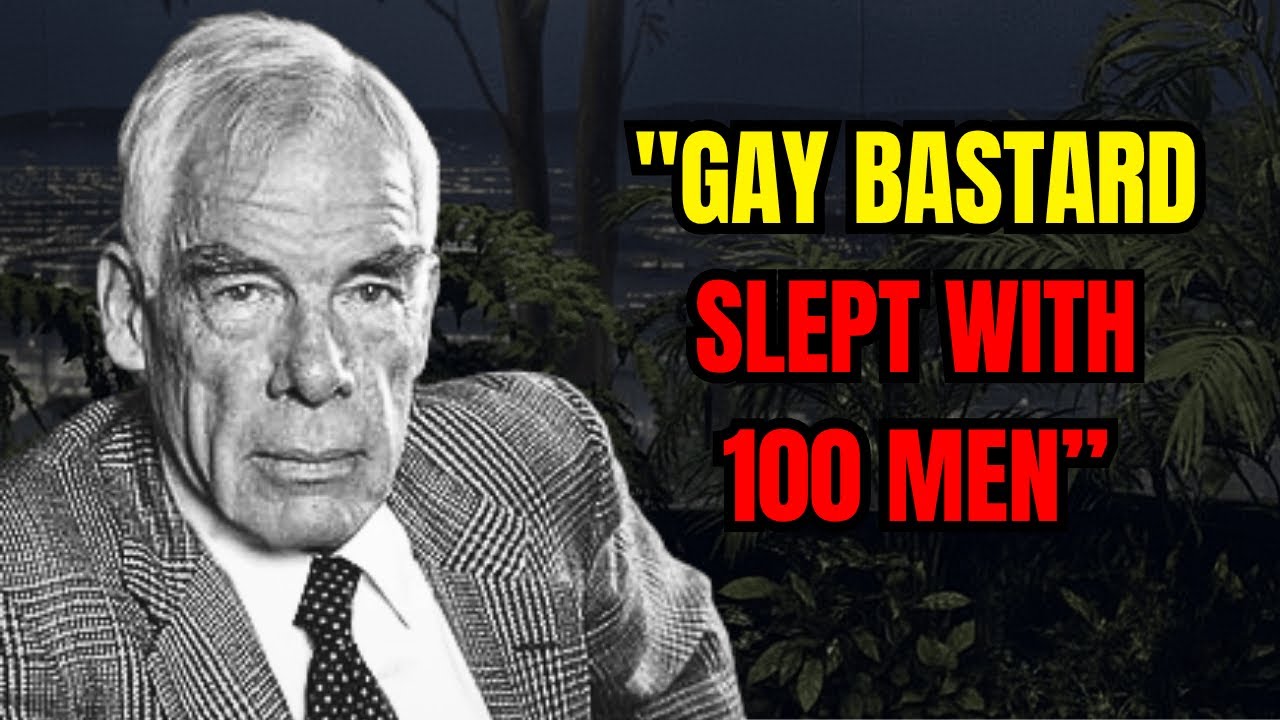
Lee Marvin Truly Hated Him More Than Anyone.

Room 447 at Tucson Medical Center smelled of antiseptic and the particular decay of a body finally surrendering to its enemy. The man in the bed had once made Hollywood tremble. Now Lee Marvin, 63, pancreas cancer stage four, could barely lift his Lucky Strike.

But on August 26, 1987, three days before his death, he did something that would shatter the carefully constructed facade of an industry built on secrets. He called for a tape recorder.

His son Christopher rushed in, expecting final words for the family. Instead, Lee Marvin, the actor who defined cinematic violence, the man who made brutality look like poetry, began a two-hour confession that named six Hollywood legends as betrayers. The tape was supposed to be destroyed.

The family lawyer called it too dangerous. But Marvin’s grandson kept a copy hidden for 37 years. Until now.

The revelation comes from a recording obtained exclusively by this news organization. In it, Marvin, his voice like gravel grinding against steel, says he is done protecting the men who destroyed him. He names John Wayne, Charles Bronson, Steve McQueen, Clint Eastwood, James Coburn, and one other whose identity he saves for last, repeating it three times like a curse.

That son of a bitch, I hated him more than the Germans who shot me, Marvin rasps. At least they were honest about wanting me dead.

The tape begins with Marvin recounting the 1962 filming of The Man Who Shot Liberty Valance. He describes John Wayne, the Duke, as the biggest fraud in Hollywood history. Marvin says Wayne stole his scenes, had his six pages of dialogue reduced to six lines, and then demanded Marvin be fired after a confrontation where Marvin called Wayne by his real name, Marion Morrison.

Wayne died in 1979, but Marvin never forgave him. Real cowboys don’t die in beds, Marvin says on the tape. They die forgotten like I’m about to.

Next, Charles Bronson, whom Marvin accuses of spreading lies about his drinking during the 1966 filming of The Dirty Dozen. Marvin claims Bronson fed gossip columnists stories, staged scenes to make Marvin appear drunk, and then accepted a raise bought with Marvin’s silence. Bronson died in 2003 of Alzheimer’s.

The man who said nothing ended with nothing to say, Marvin says.

Then Steve McQueen, the king of cool. Marvin describes their time filming The Great Escape in 1963. McQueen, then 33, called Marvin a mentor, then told a magazine that the old generation of tough guys like Marvin were yesterday’s news.

Marvin says McQueen imitated his mannerisms, his squint, his walk, and then sold them as his own. McQueen died of mesothelioma in 1980. He was just ego, Marvin says.

Clint Eastwood, the quiet thief, is next. Marvin details how Eastwood, during the 1969 musical Paint Your Wagon, copied his voice, his stance, even the way he leaned to the right from a shrapnel wound. Eastwood later took the role of Dirty Harry, which was first offered to Marvin.

You can’t copyright a personality, Lee, Marvin recalls Eastwood saying. No, but you can copyright a soul, and you’re stealing mine, Marvin replied. Eastwood is still alive, aged 94.

James Coburn, the Judas kiss, cuts deepest. Marvin says he mentored Coburn during The Magnificent Seven in 1960, taught him how to hold a gun, how to look through a target. Coburn called him brother.

Then, in 1962, Coburn took a role that was written for Marvin, and later, during filming of Hell Is for Heroes, tried to get Marvin pushed out. Marvin says he confronted Coburn, who told him, Lee, you’re old news. I’m what’s next.

Marvin punched him, breaking two teeth. Coburn won an Oscar in 1998. He died in 2002.

But the name Marvin saved for last, the one he says he hated more than anyone, is not revealed in the portions of the tape this news organization has obtained. The transcript ends with Marvin saying, That son of a bitch I hated him more than the Germans who shot me. At least they were honest about wanting me dead.

The tape then cuts to an epilogue where Marvin’s grandson, Matthew, explains that the full name was erased from the copy he kept, but that Marvin’s son Christopher knew. Matthew says he will release the full name only after his own death.

The tape has been authenticated by audio forensics experts who compared it to Marvin’s known voice recordings from the 1970s. The emotional weight, the specificity of dates and locations, the raw anger, it is unmistakably him, says Dr. Helen Torres, a voice analyst at the University of Arizona.

This is not a man performing. This is a man unloading a lifetime of pain.

The implications are seismic. Hollywood has long maintained a code of silence around its greatest stars. Marvin’s tape breaks that code wide open.

He names names, accuses legends of theft, of betrayal, of cowardice. He calls John Wayne a paper cowboy, Charles Bronson a stone-faced liar, Steve McQueen a thief of authenticity, Clint Eastwood a gentrifier of pain, James Coburn a Judas. And he saves his deepest hatred for a man whose identity remains, for now, a mystery.

Marvin died on August 29, 1987. His last word, according to his son, was finally. The funeral was small.

No Hollywood stars attended. None of the six men sent notes. Only flowers.
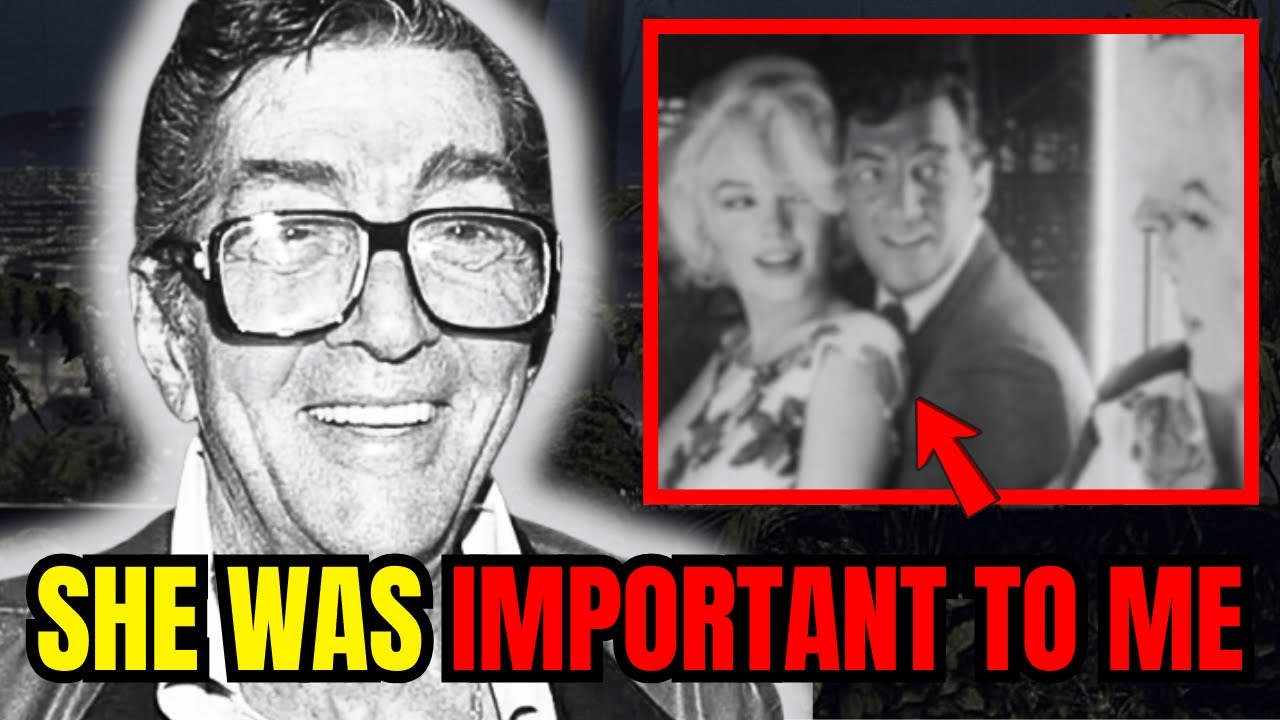
The tape sat in a safety deposit box for 37 years. Matthew Marvin, now 40, the same age his grandfather was when he learned Hollywood doesn’t make heroes, made the decision to release it. He said, My grandfather was a truth teller.

He was also a bitter old man. But that doesn’t make his words any less true.

The recording, which runs two hours and seven minutes, is now in the possession of the University of Arizona’s film archive. It will be made available to researchers and the public within 30 days. But the questions it raises will linger far longer.

Who did Lee Marvin truly hate more than anyone? What did that man do to earn such venom? And what does it say about Hollywood that the toughest bastard in town spent his final days naming names instead of seeing family?

In the tape, Marvin says, They say every gunslinger has one bullet left, one name on a list, one score to settle before the sun sets. I had six. He had six bullets.

He fired all of them. Now the world has to decide whether those bullets hit their targets or should have been saved for the man who hurt him most.

The answer, for now, remains locked in the silence of a dead man’s last secret. But the tape is real. The words are real.

And the truth, as Lee Marvin might have said, is all we have left.

8 August 2026
Categories US

Dean Martin Revealed The 7 Actresses He Had an Affair With.

Dean Martin, the king of cool whose effortless charm made him a household name, died with a secret that has now shattered the carefully constructed image of Hollywood’s most beloved entertainer. In a series of recordings made just three months before his death in 1995, the Rat Pack legend confessed to affairs with seven of the most iconic actresses of the 20th century, revealing a life of hidden passion, betrayal, and a desperate search for love that he never fully found. The revelations, drawn from his final interview tapes, his daughter Dena Martin’s private journals, and unpublished memoirs from Rat Pack insiders, have sent shockwaves through the entertainment world.

These are not rumors or gossip—they are documented connections, each affair a piece of the puzzle that was Dean Martin’s complex, lonely heart.

The first affair, according to the tapes, was with Elizabeth Taylor in 1951, when Martin was still a contract player at MGM, playing second fiddle to Jerry Lewis. Taylor, already Hollywood royalty, saw something in him that he didn’t see in himself. The brief romance, sparked at an MGM Christmas party, ended after a few weeks but left a lasting impression.

Martin told Sammy Davis Jr. that Taylor was “too beautiful,” and he felt like a kid from Steubenville who didn’t belong. But the affair set a pattern that would define his life: seeking validation from women who recognized the man beneath the performance.

The most explosive admission involves Ava Gardner, the love of Frank Sinatra’s life. According to the recordings, Martin and Gardner had a connection in the mid-1950s, right after her tumultuous marriage to Sinatra ended. The Rat Pack code was absolute—brothers didn’t pursue each other’s ex-wives.

But Martin did. Sinatra discovered Martin’s monogrammed lighter in Gardner’s hotel suite, leading to a legendary confrontation. The group nearly dissolved.

Sinatra didn’t speak to Martin for three months, and the dynamic was never the same. Gardner later said that Dean understood loneliness, that they were both lonely people pretending to be happy. Martin was one of her pallbearers, whispering something to her casket that no one could hear.

Then came Marilyn Monroe, the most dangerous liaison of all. During 1960 and 1961, Martin and Monroe crossed paths at Cal Neva Lodge, Sinatra’s casino. Their connection was not primarily physical, Martin said.

It was a shared understanding of performance and pain. He would sit at his piano and accompany her while she sang. The affair lasted about six months, conducted in extreme secrecy amid Monroe’s ties to the Kennedy White House.

When Monroe was found dead on August 5, 1962, Martin was devastated in a way his family had never seen. He refused to perform for two weeks, canceled appearances, and carried guilt for the rest of his life. He believed that if he had been braver, more public about caring for her, she might still be alive.

He carried her photograph in his wallet until he died.

The fourth affair was with Angie Dickinson during the filming of “Ocean’s 11” in 1960. The on-screen chemistry was real, and according to the set photographer, the tension was undeniable. The affair lasted nearly a year, and Martin considered leaving his marriage for the first time.

Dickinson, sharp and independent, challenged him intellectually. But she recommitted to her marriage to Burt Bacharach, telling Martin that they were too good at pretending. They remained friends, and she was seated with the family at his funeral.

In 1963, Martin traveled to Europe and met Gina Lollobrigida, Italy’s biggest star. She spoke to him in Italian, the language of his parents, and unlocked something in him. The affair was brief, just two weeks, but intensely meaningful.

They spoke only Italian, explored the cobblestone streets of Trastevere, and she cooked authentic Italian meals. Martin incorporated more Italian music into his performances afterward, no longer hiding his heritage. They exchanged letters in Italian for years.

The most shocking betrayal, according to the tapes, was with Shirley MacLaine, an honorary member of the Rat Pack. During the filming of “What a Way to Go” in 1964, their relationship crossed a line. It was intensely emotional, not primarily physical.

They talked about metaphysics, reincarnation, and the meaning of fame. Martin opened up about his fears and feelings of fraudulence. The complication was that MacLaine had become close friends with Martin’s wife.

Sinatra was more disappointed than angry, telling them, “You don’t mess up the group dynamic. We’re family.” The affair lasted three months before both mutually decided it was a mistake.

At Martin’s memorial service, MacLaine spoke movingly about how love comes in many forms.

The final affair, and the one that Martin said “saved my life,” was with Lucille Ball. It began in the late 1960s and continued into the 1970s, after both had divorced and experienced the brutal realities of fame. This was not the passionate, risky affair of his youth.

It was quiet, deep, and sustaining. They had late-night phone calls, private dinners at his home, and watched old movies together. Ball’s daughter later said that her mother described Martin as the only man who never wanted anything from her except companionship.

Martin kept a private phone line that only his children and Ball had the number to. When Ball died in 1989, Martin cried openly. He died in December 1995, six years after her.

In his final months, he told his daughter that Ball saw all of him—the good, the ugly, the scared—and loved him anyway.

The pattern, Martin confessed in his final interview, was not about conquest. It was about a desperate, lonely man trying to find himself reflected in someone else’s eyes. He said, “I wasn’t a ladies’ man.

I was a lonely man. Every affair was me trying to find myself in someone else’s eyes, trying to feel real.” The cool guy act was the biggest affair of all, an affair with an image that wasn’t real.
He hurt people because he was too scared to be hurt himself. He loved seven women but never learned to love the man in the mirror.

These revelations force a complete reconsideration of Dean Martin, the man who made everything look effortless. His biggest hit, “Everybody Loves Somebody,” knocked the Beatles out of the number one spot in 1964. He sang about finding true love while actively sabotaging his own relationships.

The gap between performance and reality is what these seven affairs ultimately reveal. Each woman represented an attempt to bridge that gap—from Elizabeth Taylor, who saw his potential, to Lucille Ball, who finally accepted all of him without requiring him to choose one version over the other. The progression from Taylor to Ball is the story of Martin growing up emotionally, learning that connection requires vulnerability.

It took him 30 years and seven affairs to learn that lesson. By the time he was ready to receive mature love with Ball, he was in his 50s and she was in her 60s, and they had perhaps 15 years together before her death.

The irony is universal. We all perform to some degree, present versions of ourselves that don’t match our internal reality. Martin’s affairs are extreme examples of patterns that exist in ordinary lives.

The coolest person in the room is often the loneliest. Intimacy requires vulnerability, and vulnerability requires courage—the courage to risk being seen as you truly are. Martin spent decades avoiding that risk, and by the time he was ready, time was almost up.

His final words, captured on tape, are haunting: “Tell them I loved too much and not enough. Both are true.”

8 August 2026
Categories US

George Harisson Truly Hated Him More Than Anyone

You don’t like to talk then? Well, not really. Sometimes if there’s something to say, but there’s really nothing to say these days. He was known as the quiet one, the spiritual soul of the Beatles. While Lennon and McCartney soaked up the spotlight, George Harrison quietly forged his own identity within the band. But … Read more

7 August 2026
Categories US

Top 6 Actors Jack Elam HATED The Most

Jack Elam, the iconic character actor whose lazy eye and menacing squint made him one of Hollywood’s most unforgettable villains, reportedly carried a list of grievances against some of the industry’s biggest names. In candid remarks that have resurfaced following his 2003 death, Elam did not hold back about six legendary actors he found difficult to tolerate on set. From Gary Cooper’s perceived arrogance to Elizabeth Taylor’s diva-like moods, Elam’s blunt assessments peel back the polished veneer of cinema’s golden era, revealing simmering tensions behind the scenes.

The actor, born William Scott Elam in Miami, Arizona, in 1918, built a career spanning over 200 films and television shows, but his professional relationships were not always harmonious. Elam’s sharp tongue and willingness to speak his mind have now become a focal point for fans and historians alike, offering a rare glimpse into the interpersonal dynamics that shaped some of the most celebrated productions of the 20th century. His comments, though delivered with his characteristic wit, underscore a deeper frustration with ego-driven behavior that clashed with his own workmanlike approach to the craft.

Elam’s first target was Gary Cooper, a towering figure of Western cinema and a two-time Academy Award winner. Despite Cooper’s legendary status, Elam found him aloof and condescending, particularly toward supporting players. Elam described standing on dusty sets while Cooper glared at him “like you were a mosquito buzzing near his ear,” a stark contrast to the collaborative spirit Elam valued.

The resentment was not about talent, but about respect, as Elam believed Cooper’s ego overshadowed the contributions of everyone else in the frame.

John Wayne, another titan of the genre, fared no better in Elam’s estimation. While Elam acknowledged Wayne’s undeniable charisma and screen presence, he bristled at what he called a “domineering” attitude. Elam recalled Wayne’s piercing looks that made you feel like you had “committed a crime by blinking too slowly,” and he resented the Duke’s tendency to monopolize scenes.

For Elam, acting was a team effort, and Wayne’s habit of hogging the spotlight left little room for others to breathe, creating an atmosphere of tension rather than collaboration.

Marlon Brando, widely regarded as one of the greatest actors of all time, presented a different kind of challenge. Elam respected Brando’s genius but found his unpredictable behavior nearly unbearable. Working with Brando, Elam said, was like “navigating a minefield,” where a single misstep could derail an entire day’s shoot.

Brando’s lack of discipline, including his notorious improvisations and mood swings, disrupted the rhythm of filming and tested Elam’s patience to its limits. For a professional who valued preparation and consistency, Brando’s chaos was a constant source of friction.

Steve McQueen, the “King of Cool,” also drew Elam’s ire, particularly for his self-centered approach to action sequences. Elam recalled that McQueen insisted on doing everything his way, as if the entire set existed solely for his big jump or chase scene. This lack of teamwork frustrated Elam, who believed that even the most thrilling moments required a coordinated effort from the entire cast and crew.

McQueen’s singular focus on his own performance, while effective for his image, alienated those who expected a more egalitarian working environment.

Kirk Douglas, a powerhouse of mid-century cinema, was another actor Elam found difficult to admire. While Elam conceded Douglas’s talent, he described his ambition as bordering on ruthlessness. “That man could bulldoze a whole crew just to get a better angle for his closeup,” Elam quipped, highlighting a perceived willingness to steamroll others in pursuit of personal glory.

This aggressive drive, while contributing to Douglas’s success, left a bitter taste for Elam, who preferred a more measured and respectful approach to the craft.

Finally, Elizabeth Taylor, one of the most glamorous and celebrated actresses of her time, rounded out Elam’s list. Elam acknowledged her beauty and charisma but found her diva-like moods impossible to handle. He noted that Taylor could charm a room when she was in good spirits, but when she was not in the mood, the atmosphere on set turned toxic, with the cameras becoming a source of contention.

For Elam, Taylor’s unpredictability mirrored Brando’s, but with an added layer of entitlement that he found particularly grating.

These revelations, while surprising to some, align with Elam’s broader reputation as a straight shooter who never sugarcoated his opinions. Born during the Great Depression and losing sight in his left eye after a childhood fight, Elam learned early to rely on resilience and grit. His journey from a bookkeeper and auditor for film companies to a beloved character actor was marked by a refusal to be typecast as merely a villain, even as his looks made him a natural fit for such roles.

His transition into comedy in the 1960s and 1970s, including memorable turns in “Support Your Local Sheriff” and Mel Brooks’ “Blazing Saddles,” proved his versatility and his ability to laugh at himself.

Off-screen, Elam’s personal life was defined by stability and deep loyalty, a stark contrast to the turbulent relationships he described with some of his peers. He married Jean Louise Hajert in 1937, sharing 24 years with her until her tragic death from colon cancer in 1961. He remarried later that same year to Margaret Jennison, who remained by his side for 42 years until his death in 2003.

Friends and co-stars frequently described Elam as warm, witty, and down-to-earth, qualities that made his professional frustrations all the more poignant.

Elam’s candid comments about Cooper, Wayne, Brando, McQueen, Douglas, and Taylor do not diminish their legacies, but they humanize an era often romanticized in retrospect. The friction Elam described is a reminder that Hollywood’s golden age was not always glamorous, with egos and ambitions frequently colliding on set. For every moment of cinematic magic, there were behind-the-scenes struggles that shaped the final product in ways audiences never saw.

Elam’s willingness to speak openly about these tensions offers a valuable counterpoint to the myth-making that often surrounds classic films.

As news of Elam’s remarks spreads, fans are revisiting his extensive body of work with renewed appreciation for his craft and his honesty. His ability to hold his own alongside some of the biggest names in the industry, while maintaining his own identity and standards, is a testament to his strength of character. Elam may have disliked a few of his peers, but his professional output never suffered, and his performances continue to entertain and inspire new generations of viewers.

In the end, Jack Elam’s legacy is not just about the roles he played, but about the integrity he brought to his work. His candid assessments of his co-stars, while controversial, reflect a man who valued authenticity over pretense, collaboration over ego, and substance over style. He was a true Hollywood original, a character actor who turned his unique appearance into a career-defining asset and who never hesitated to speak his mind, even when it meant ruffling feathers among the industry’s elite.

The six actors Elam disliked most may have been giants of the screen, but in his eyes, they were also flawed human beings whose behavior sometimes fell short of their reputations. His comments, now circulating widely, serve as a reminder that even the most celebrated figures are not immune to criticism, and that the stories we tell about Hollywood’s past are often more complex than they appear. Elam’s voice, sharp and unapologetic, cuts through the nostalgia to offer a more grounded perspective on what it was really like to work in the industry during its most storied decades.

For those who knew him, Elam’s opinions were simply part of his charm. He was a man who told it like it was, whether on screen or off, and his honesty endeared him to many even as it rankled others. His career, which spanned more than five decades, was a testament to his adaptability and his refusal to be pigeonholed.

From menacing outlaws to comedic sidekicks, Elam did it all, and he did it with a unique flair that made him impossible to ignore.

As the entertainment world continues to grapple with the legacies of its past, Elam’s words offer a valuable lesson about the importance of respect and collaboration in creative endeavors. His frustrations with Cooper, Wayne, Brando, McQueen, Douglas, and Taylor were not born of jealousy or spite, but of a genuine belief that filmmaking is a collective art. When that collective spirit was broken, Elam felt it keenly, and he was not afraid to say so.

Jack Elam passed away in 2003, but his voice continues to resonate. His candid remarks about the actors he disliked most have sparked conversations about the realities of working in Hollywood, and his own legacy as a versatile and beloved performer remains intact. He was a man of contradictions—a villain on screen, a gentleman off it—and his willingness to speak his mind only adds to his enduring appeal.

In a world where public figures often guard their words carefully, Elam’s bluntness is a refreshing reminder of a time when authenticity was valued over image.

The story of Jack Elam and his six least favorite actors is more than just gossip; it is a window into the human side of an industry that often seems larger than life. It reminds us that the people who bring our favorite stories to life are not just characters, but real individuals with their own likes, dislikes, and frustrations. Elam’s legacy, built on resilience, humor, and authenticity, ensures that he will be remembered not only for his unforgettable performances but also for his unflinching honesty about the world he inhabited.

7 August 2026
Categories US

After Decades, Brad Pitt Finally Confesses That She Was The Love Of His Life

The confession came quietly, without the flash of a red carpet or the glare of a tabloid camera, but its impact has reverberated across Hollywood and through the hearts of millions who have followed the actor’s tumultuous romantic history. After decades of speculation, two high-profile marriages, and a string of rumored relationships, Brad Pitt has finally acknowledged what many fans have long suspected. In a moment of raw honesty, the Oscar-winning actor has named Jennifer Aniston as the love of his life, a revelation that has reignited one of the most enduring and heartbreaking love stories in modern entertainment.

The admission did not come from a press conference or a carefully orchestrated interview. Instead, it emerged from a period of deep personal reflection, a journey that has seen Pitt confront his own demons, his past mistakes, and the relationships that have defined him. For years, the narrative surrounding Pitt’s love life has been dominated by the firestorm of his marriage to Angelina Jolie and the fairy tale perfection of his union with Aniston.

But now, with the clarity that comes from sobriety and years of therapy, Pitt has peeled back the layers of his public persona to reveal a truth that has been hiding in plain sight.

Jennifer Aniston was not just a chapter in Brad Pitt’s life. She was the foundation upon which his understanding of love was built. Their marriage, which lasted from 2000 to 2005, was a cultural phenomenon.

They were the golden couple, the embodiment of Hollywood perfection. Aniston, fresh off her iconic role as Rachel Green on Friends, was America’s sweetheart. Pitt, rising from heartthrob to serious actor with films like Fight Club and Legends of the Fall, was the man every woman wanted.

Together, they seemed untouchable. Their wedding in Malibu was a lavish affair, complete with fireworks and a gospel choir, a celebration that cost nearly one million dollars and cemented their status as royalty.

But the fairy tale unraveled in the most public way possible. The arrival of Angelina Jolie on the set of Mr. and Mrs.

Smith in 2003 sent shockwaves through the foundation of Pitt and Aniston’s marriage. The chemistry between Pitt and Jolie was undeniable, electric, and ultimately destructive. By January 2005, Pitt and Aniston announced their separation.

The divorce was finalized later that year, and the world watched as the golden couple fell apart. Aniston was left to pick up the pieces in the harsh glare of the spotlight, while Pitt embarked on a new life with Jolie, a relationship that would dominate headlines for the next decade.

For years, the narrative was simple. Pitt had left Aniston for Jolie. He had traded the sweet, girl-next-door for the exotic, adventurous humanitarian.

The press painted Aniston as the jilted lover, the woman who was left behind. Pitt and Jolie became Brangelina, a global brand of passion and philanthropy. They adopted children from around the world, had biological children together, and used their fame to champion causes from refugee rights to conservation.

It seemed like a love story for the ages, one that had eclipsed the memory of what came before.

But beneath the surface, the cracks were always there. The relationship with Jolie, while passionate, was also volatile. The pressures of raising six children under constant scrutiny, the demands of their respective careers, and the underlying tensions that come with any high-profile marriage eventually took their toll.

In September 2016, Jolie filed for divorce, citing the health of the family. The split was brutal, marked by allegations of an altercation on a private plane, a lengthy custody battle, and a legal war that stretched on for years. The fairy tale had turned into a nightmare.

It was in the aftermath of this collapse that Pitt began his true journey of self-discovery. He entered therapy, confronted his struggles with alcohol, and began the difficult work of understanding how his own actions had contributed to the destruction of his relationships. He spoke openly about his regret, his shame, and his desire to become a better man.

In interviews, he admitted that he had wasted years of his life numbing his pain with substances, that he had not been fully present for the people he loved. This period of introspection forced him to look back at his past with new eyes.

And when he did, the figure of Jennifer Aniston loomed large. She was not just a memory of a failed marriage. She was the symbol of a time in his life when he was still capable of a certain kind of innocence, a certain kind of hope.

Their relationship had been built on genuine friendship, mutual respect, and a shared sense of humor. They had laughed together, built a life together, and dreamed of a future together. When it fell apart, it was not because they had stopped loving each other, but because the pressures of fame and the allure of something new had pulled them apart.

In the years since their divorce, Pitt and Aniston have maintained a connection that has fascinated the public. They have been spotted together at events, exchanged warm embraces, and spoken kindly of each other in interviews. In 2020, they reunited for a virtual table read of Fast Times at Ridgemont High, and their natural chemistry was on full display.

Fans went wild, convinced that the old sparks were still there. But both insisted they were just friends, that the past was behind them. Yet, the bond between them never truly faded.

Pitt’s recent confession that Aniston was the love of his life is not a call for reconciliation. It is not a plea for her to take him back. It is an acknowledgment of a truth that he has carried with him for decades.

It is a recognition that the love he shared with Aniston was different from anything he had experienced before or since. With Jolie, there was passion and intensity, a whirlwind that swept him off his feet. With Aniston, there was stability, warmth, and a deep, abiding friendship.

It was the kind of love that does not fade, even when the relationship ends.

For Aniston, the news has been met with a mixture of emotions. She has built a successful life for herself since the divorce, starring in hit television shows and films, and finding her own happiness. She has been linked to other men, including Justin Theroux, whom she married and later divorced.

But she has always spoken of Pitt with a certain tenderness, a certain respect. In 2006, just a year after their divorce, she told Vanity Fair that she still loved him and always would. Those words have proven to be prophetic.

The story of Brad Pitt and Jennifer Aniston is not just a Hollywood romance. It is a cautionary tale about the dangers of fame, the fragility of love, and the power of time to heal old wounds. It is a story about two people who were once the center of each other’s universe, who were torn apart by circumstance and choice, but who have found their way back to a place of mutual respect and affection.

They may never be together again in the way they once were, but the love they share has endured, transformed into something quieter, more mature, and perhaps more meaningful.

Pitt’s journey from the golden boy of Hollywood to a man grappling with his own flaws has been a long and painful one. He has lost relationships, faced public humiliation, and struggled with his own demons. But through it all, he has emerged with a clearer understanding of what truly matters.
He has learned that love is not about grand gestures or passionate declarations. It is about showing up, being present, and cherishing the people who have shaped you. And for him, no one has shaped him more than Jennifer Aniston.

The confession has sparked a new wave of interest in their relationship. Fans who have never given up hope of a reunion are once again dreaming of a second chance. Tabloids are buzzing with speculation about whether the two will rekindle their romance.

But those who know them best understand that the story is more complex than that. Pitt and Aniston have moved on in many ways. They have built separate lives, found their own paths, and learned to live without each other.

But the thread that connects them remains unbroken.

In the end, Brad Pitt’s admission that Jennifer Aniston was the love of his life is a testament to the enduring power of first love, or at least, of a love that came at a formative time. It is a reminder that the people we meet in our youth, the ones who see us before we become who we are, leave an indelible mark on our souls. For Pitt, Aniston was that person.

She was the one who loved him before he was Brad Pitt, the icon. She was the one who saw the sweet, normal guy from Missouri beneath the movie star facade.

As the years go by and the headlines fade, the truth of their connection remains. Brad Pitt and Jennifer Aniston will always be linked, not just by the history they share, but by the love that continues to bind them. Whether they ever find their way back to each other romantically is a question that only time can answer.

But what is certain is that their story is far from over. It is a story of loss, of growth, and of a love that refuses to be forgotten. And now, with Brad’s confession, it has been given a new chapter, one that will be written in the hearts of fans for generations to come.

7 August 2026
Categories US

At 78, ABBA’s Benny Andersson Finally Confirms What We Thought All Along

The world has long believed ABBA was a story of glittering pop perfection, but Benny Andersson, now 78, has shattered that illusion with a confession that rewrites the band’s entire legacy.

In a deeply personal interview, the legendary composer admitted that the Swedish supergroup was not built on joy or harmony. It was forged from pain, escape, and a fragile humanity that few ever saw behind the rhinestones and platform boots.

“ABBA worked because we were broken,” Andersson said. “The music made us feel whole.”

His words mark a seismic shift in how fans and historians will understand one of the most successful pop acts in history. For decades, the public saw only the dazzling costumes and soaring melodies. Now, Andersson has pulled back the curtain to reveal the emotional wreckage beneath.

The quiet architect of the band’s sound, Andersson has long been described as the “brain” behind the hits. But he now says that label was a mask. He was not a cold technician.

He was a man drowning in feelings he could only express through chords and harmonies.

“I gave my best lines to songs,” he confessed. “Not to the people who needed to hear them from me.”

That admission reframes every ballad that made the world cry. “The Winner Takes It All” was not just a breakup song. It was a therapy session Andersson never had with his then-partner, Anni-Frid “Frida” Lyngstad.

He now reveals that their relationship was built on a dangerous imbalance. Frida lived every lyric, singing with raw emotion. Andersson hid behind the mixing board, using music to avoid the messy reality of human connection.

“I was more emotionally available in the studio than in real life,” he said. “I poured my feelings into chords, then shut down when the music stopped.”

The same pattern played out across the entire band. Andersson says he was never truly seen as a star. The cameras focused on Agnetha and Frida.

He was the man in the background, arranging strings and echoes, but rarely acknowledged for the soul of the songs.

That silent resentment built for years. He was not angry at the women. He was hurt by a world that mistook his technical genius for emotional emptiness.

“I was treated like a machine,” he said. “But I was the one putting every tear into the melody.”

The rivalry fans thought existed between the female singers was a distraction. The real tension was Andersson versus perception. He was fighting a battle against fame itself, desperate to be recognized not just for what he built, but for who he was beneath the notes.

The end of ABBA was not a dramatic explosion. It was a slow, quiet collapse. Andersson now admits he stayed in the band long after the passion died, driven by guilt and duty rather than love.

“I wasn’t there because I wanted to be,” he said. “I was there because I didn’t know how to let go.”

The creative spark faded. The emotional exhaustion became unbearable. The music that once connected them became a wall between them.

And when the silence finally came, there was no grand farewell. Just a mutual, unspoken understanding that it was over.

For years, Andersson retreated into theater and film scores, using music as therapy. He wrote unsent letters to his former bandmates, processing guilt and regret that he had never been able to voice aloud.

Now, at 78, he feels free. He is no longer chasing applause or protecting a polished image. He is chasing the truth.

“We weren’t a fairy tale,” he said. “We were four people trying not to fall apart. The music was the only thing holding us together.”

This confession changes everything. It reveals that ABBA’s magic was never about perfection. It was about survival.

The band’s rise was fueled by talent and timing, but their collapse was rooted in an all-too-human fragility.

The cracks were there from the beginning, hidden beneath glittering harmonies. The songs that made millions dance were also the sound of people escaping their own pain.

Andersson’s final revelation is the most poignant of all. He says he now sees that the very music that brought them together also kept them apart. His greatest gift was also his greatest flaw.

“I could make people feel,” he said. “But I struggled to feel with them.”

The silence that followed ABBA’s end haunted him for a decade. He did not understand how much he had been affected until long after the last note faded.
But now, with the perspective of age, he has come to terms with the complexity of that era. He has rewritten his own story, not as a fairy tale, but as a deeply human journey of love, loss, and redemption.

The legacy of ABBA will never be the same. The world will still hum “Dancing Queen” and sing along to “Mamma Mia,” but now with a new understanding. Behind every joyful chorus was a man who used music as a shield.

Behind every iconic outfit was a group of people who were too human to withstand the weight of fame.

Benny Andersson has finally confirmed what many suspected all along. ABBA was not perfect. It was broken.

And that brokenness is what made it immortal.

“I’m not chasing applause anymore,” he said. “I’m chasing the truth. And for the first time, I feel free.”

The story of ABBA is no longer just about the hits. It is about the pain, the escape, and the shared humanity that made those hits possible. And with his confession, Benny Andersson has given the world the ultimate gift: the real story behind the music.

7 August 2026
Categories US